Top Christmas Safety Tips

Make sure your home is a safe space for you, your family and friends over the festive period by following our Christmas safety advice. Christmas trees, decorations and celebrations can increase the risk of a fire starting in your home. Following these Christmas safety tips and having some key safety items to hand will help to ensure you can relax and enjoy the festive season.

Christmas safety tips fairy lights
Christmas tree lights can be a fire hazard

Christmas fire safety tips

Christmas trees

Real Christmas trees catch fire very quickly when they start to dry out. Always stand your tree in water to keep it fresh for as long as possible and position your tree away from heat sources including open fires. Never smoke or place candles near your Christmas tree.

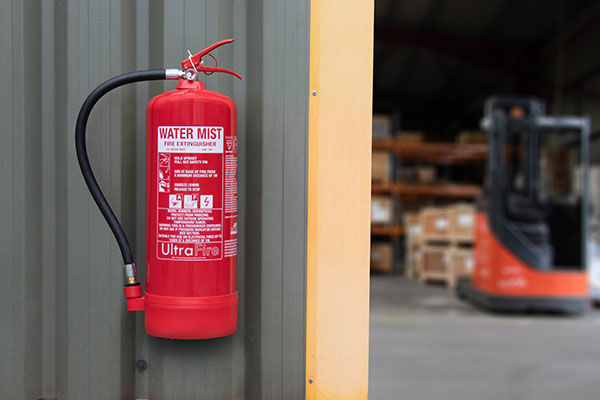
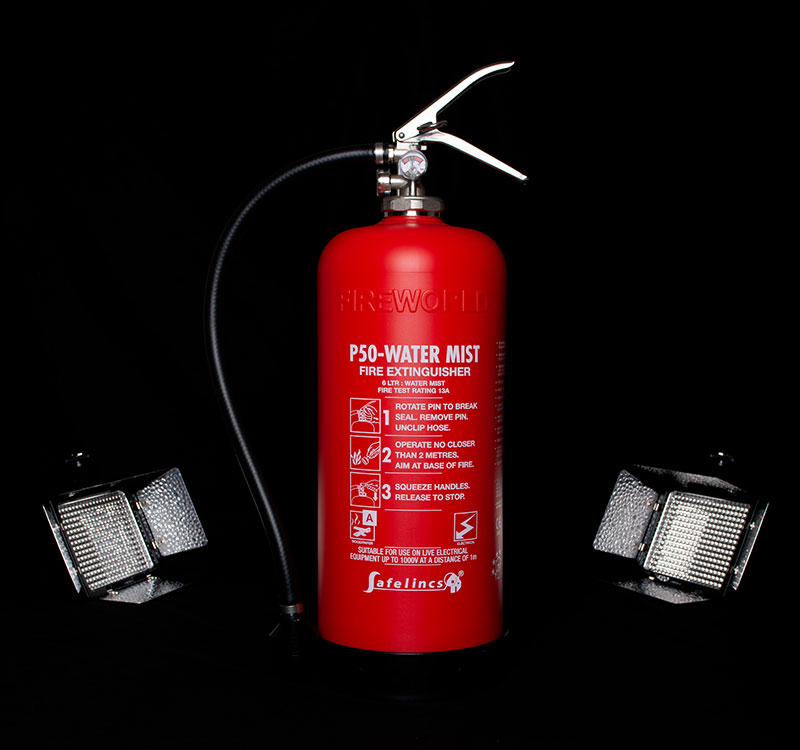
Keep a Water Mist Fire Extinguisher close to hand. This versatile extinguisher will quickly and effectively extinguish a Christmas tree fire as well as most other fire risks found in the home including electrical fires. Water mist extinguishers contain only deionized water and so do not leave any messy residue to clean up. They are non-toxic, so you don’t have to worry about children or pets coming into contact with the extinguishing agent.


It is also advisable to spray your real Christmas tree with fire retardant spray to prevent it from catching alight.

Christmas lights & electrical safety

Christmas tree lights (or fairy lights) can cause a fire or could trigger a spark which might ignite your Christmas tree if they are not properly maintained or used. Be careful no to overload plug sockets and extension leads. Use the electrical socket calculator if you are unsure. Check your fuses are the right type and if the bulbs blow, replace them straight away. Never leave fairy lights on when you go out or go to bed.

Replace Christmas lights straight away if you notice they are damaged or the electrical wire casing is cracked. When buying new Christmas lights, look for the CE mark to ensure they comply with European safety standards and read all labelling and instructions carefully before use. Watch the British Standards Institute Christmas light safety videos for further information.

Candles & decorations

Decorate your home with care to reduce the risk of a fire starting. Many Christmas decorations could easily catch fire so make sure they are not near heaters, open fires or candles. Never place decorations immediately above or around the fireplace when it is lit.

Place candles away from children or pets so they don’t get knocked over and ensure soft furnishing such as curtains or blankets are not nearby. Always make sure you put candles out before going to bed or leaving the house.

Can you spot the fire hazards?

Cooking fires

More than half of all accidental fires in the home are started by cooking. Usually this is because a cooker, hob or grill has been left unattended. On Christmas day, there can be a lot of distractions whilst preparing the Christmas dinner. Keep children and pets away from the stove and never leave your cooking unattended. Follow these basic cooking safety tips to ensure a fire doesn’t ruin your Christmas. Keep a fire blanket in the kitchen to quickly tackle any cooking, clothing or waste bin fires that start and have a burns kit to hand just in case anyone suffers from a burn or scold.

Never cook if you have been drinking alcohol, especially if you feel tired or drunk. Drinking alcohol causes drowsiness, slower reactions and confusion and will affect your coordination. You could fall asleep whilst cooking, and are more likely to knock pans or spill hot oil if you have reduced coordination.

Fire detection – plan ahead to stay safe

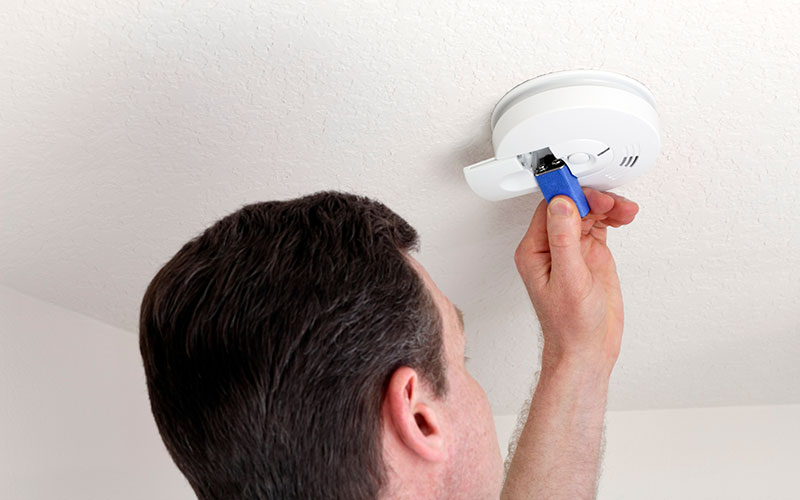
Making sure you have working smoke alarms fitted in your home prior to the Christmas period could save your life. Fit a heat alarm in the kitchen to quickly detect cooking fires without causing false alarms (heat alarms respond to a sharp increase in temperature not smoke and so will not sound if you burn the toast!). Test all alarms before Christmas and replace the alarm or battery if required. For further fire safety tips and advice tailored to your home, try the free online home fire safety check.

replace the battery on smoke alarms before Christmas if required
Test your smoke alarm regularly and replace the battery if required

Carbon monoxide safety tips for Christmas

During the festive period, there could be an increased risk of carbon monoxide gas in your home. Using log burners, open fires, heaters or boilers that have not been maintained throughout the year could produce dangerous levels of carbon monoxide.

Sweep chimneys and service gas or solid fuel appliances such as boilers, heaters or cookers prior to use during the Christmas period. Fit a carbon monoxide alarm in every room where there is a gas or solid fuel appliance, or open fire.

Carbon monoxide gas is also known as the ‘silent killer’ as it can cause death and serious illness in people and pets. Get to know the signs and symptoms of CO poisoning and share them with your friends and family. Always ensure you have a working carbon monoxide detector in your home to alert you, your household and visitors to the presence of this dangerous gas.

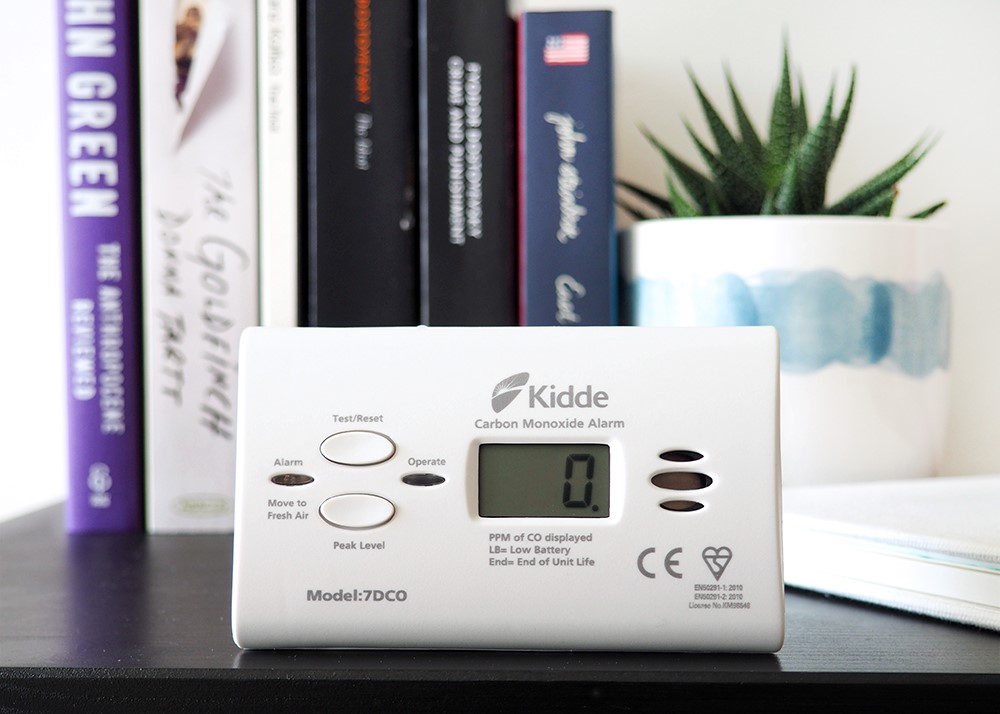
Fit a CO alarm in your home before Christmas
Place a CO alarm in each room with a gas or solid fuel appliance

Wishing you a happy and healthy Christmas!

Consider this advice during your festive preparations in December to keep you, your family, friends and pets safe. Why not share our Christmas safety tips with others using the share buttons below? We wish you all a happy and healthy Christmas and new year!

FAQs

How do I keep my pet safe at Christmas?

Christmas can be an exciting or anxious time for pets due to a change in routine, an increase in noise and people, and lots of new and interesting objects to stimulate the senses! Follow the RSPCA’s advice on keeping pets calm at Christmas and keep candles and decorations out of reach. Never leave your pet unattended near heaters or open fires and keep them out of the kitchen when you are cooking to avoid any mishaps or distractions.

Why are Christmas trees a fire hazard?

Real Christmas trees can catch fire very quickly especially when they start to dry out. Buy your real tree closer to Christmas so it doesn’t dry out too much and keep it well watered at the base. Artificial Christmas trees can also be a fire hazard if their flame retardant coating has worn off – check the lifespan of your artificial tree and replace if required.

Is it safe to leave Christmas tree lights on all night?

No, it is not safe to leave Christmas tree lights on all night. These lights can get hot and could start a fire. Switch Christmas tree or fairy lights off when you go to bed or leave the house.

What fire extinguisher can be used on Christmas trees?

A Water Mist Fire Extinguisher is the best fire extinguisher to have at home during the festive period. You can use a Water Mist Extinguisher to tackle all common household fires including fires involving Christmas trees and fairy lights. This type of extinguisher dispenses a fine de-ionised water mist. This is non-toxic and will not leave any messy residue to clean up.

2ltr Water Mist Fire Extinguisher

The best solution for holiday homes and home owners. Safe for use and effective for most common types of fires.

  • Suitable for Class A, B, and F fires
  • Safe on electrical equipment
  • 100% non-harmful with clean extinguishing agent
  • Ideal for clothing fires
£46.01 ex VAT
£55.21 inc VAT
Buy Now

Mel Saunders

Head of Marketing

With over 20 years of experience in content writing, design and marketing, Mel now heads up the Content & Marketing Team at Safelincs. Having been in the fire safety industry for over 5 years, Mel has now developed a deep understanding of some of the critical issues facing the industry. Alongside her team, she aims to support the public with resources and information to help them improve fire safety at home, in the workplace or in 3rd sector organisations.

Latest Posts by Mel Saunders

What Is A Class D Fire?14th May 2026
What Is A Class F Fire?13th May 2026
Ionisation Smoke Alarms Buyers Guide12th May 2026

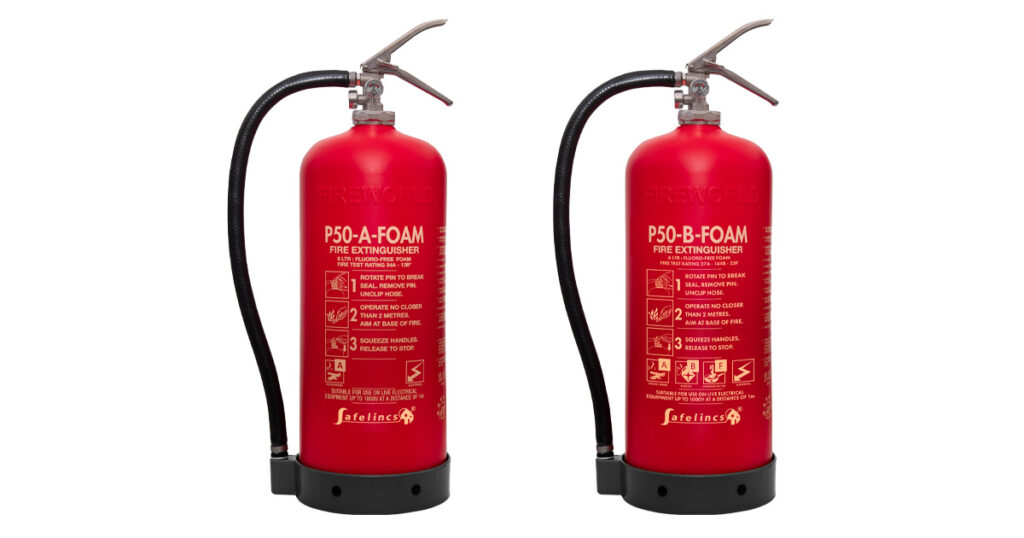
New! Fluorine-Free Foam Alternatives added to the P50 Service-Free Extinguisher range

Just added to Britannia Fire’s range of P50 Service-Free Fire Extinguishers is the Fluorine-Free A-Foam Fire Extinguisher. Further to this, a P50 B-Foam Fire Extinguisher is coming soon. With the phase out of AFFF foam expected to begin imminently, these Fluorine-Free Foams provide a more environmental alternative.

P50 Fluorine-Free Alternatives
New! P50 Fluorine-Free Foam Extinguishers

What is the difference between AFFF foam and fluorine-free?

AFFF Foam contains PFAS chemicals that have been identified as being harmful to the environment, people, and wildlife. The most harmful component of PFAS chemicals is fluorine compounds. Some of these compounds have been discontinued by law since 2020, and other legal restrictions are expected to follow shortly. In light of this action, Britannia Fire have developed the P50 fluorine-free foam as an environmental alternative. This extinguisher contains no harmful fluorine compounds, and therefore will not be subject to PFAS regulations or other forthcoming regulations.

Is the P50 Fluorine-Free an eco-extinguisher?

The P50 fluorine-free foams are free from any harmful fluoro compounds, making it a true eco-foam extinguisher. They are non-toxic, more environmentally friendly than AFFF foam, and will not be subject to any changes relating to the PFAS regulations.

It is important to check the firefighting medium in an extinguisher that is called ‘eco-foam’ or ‘enviro-foam’. Previously, these terms have been used to refer to a group of AFFF foam extinguishers that contain lower fluorine content. Any amount of fluorine is harmful to the environment; these extinguishers should not be considered to be ‘eco’ or ‘environmental’.

Is fluorine-free foam a like-for-like replacement to AFFF foam?

In many situations, the P50 Fluorine-Free A-foam can be used as a direct replacement for AFFF foam extinguishers to tackle class A and electrical fires. The 6ltr extinguisher has ratings of 34A, 13B, and electrical equipment up to 1000 Volts. Where there is a high risk of class B rating fires (flammable liquids like oil, alcohol, or diesel), additional protection may be required. This will soon be provided by the P50 B-Foam Extinguisher which has ratings of 27A, 144B, 25F, and electrical equipment up to 1000 Volts.

Visit PFAS-Free Fire Extinguishers for more information, or book a free P50 Service-Free Extinguisher site survey.

Mel Saunders

Head of Marketing

With over 20 years of experience in content writing, design and marketing, Mel now heads up the Content & Marketing Team at Safelincs. Having been in the fire safety industry for over 5 years, Mel has now developed a deep understanding of some of the critical issues facing the industry. Alongside her team, she aims to support the public with resources and information to help them improve fire safety at home, in the workplace or in 3rd sector organisations.

Latest Posts by Mel Saunders

What Is A Class D Fire?14th May 2026
What Is A Class F Fire?13th May 2026
Ionisation Smoke Alarms Buyers Guide12th May 2026

Improve Ventilation and Air Quality in Schools

During the pandemic, funding became available for schools in Scotland and Wales to improve air circulation and reduce the spread of the virus. SAMHE, a government backed research project monitoring air quality in schools, is keen to further investigate the consequences of poor air quality on pupils’ health and concentration. With this issue high on the agenda, we look at how to identify poor air quality and the simple measures available to improve ventilation in schools where action is required.

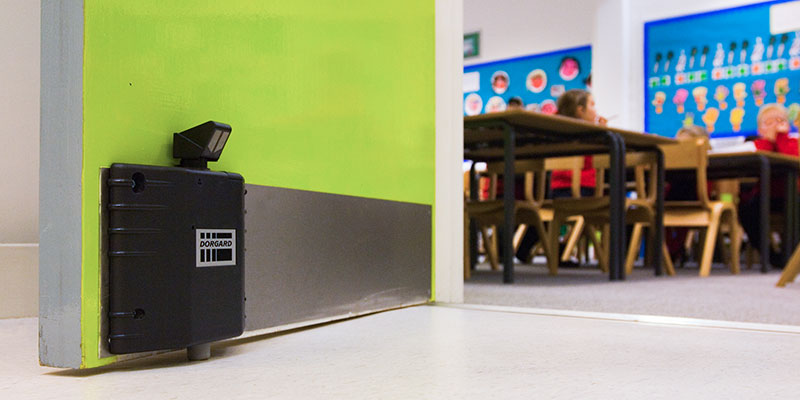
increase ventilation with a fire door retainer on classroom doors
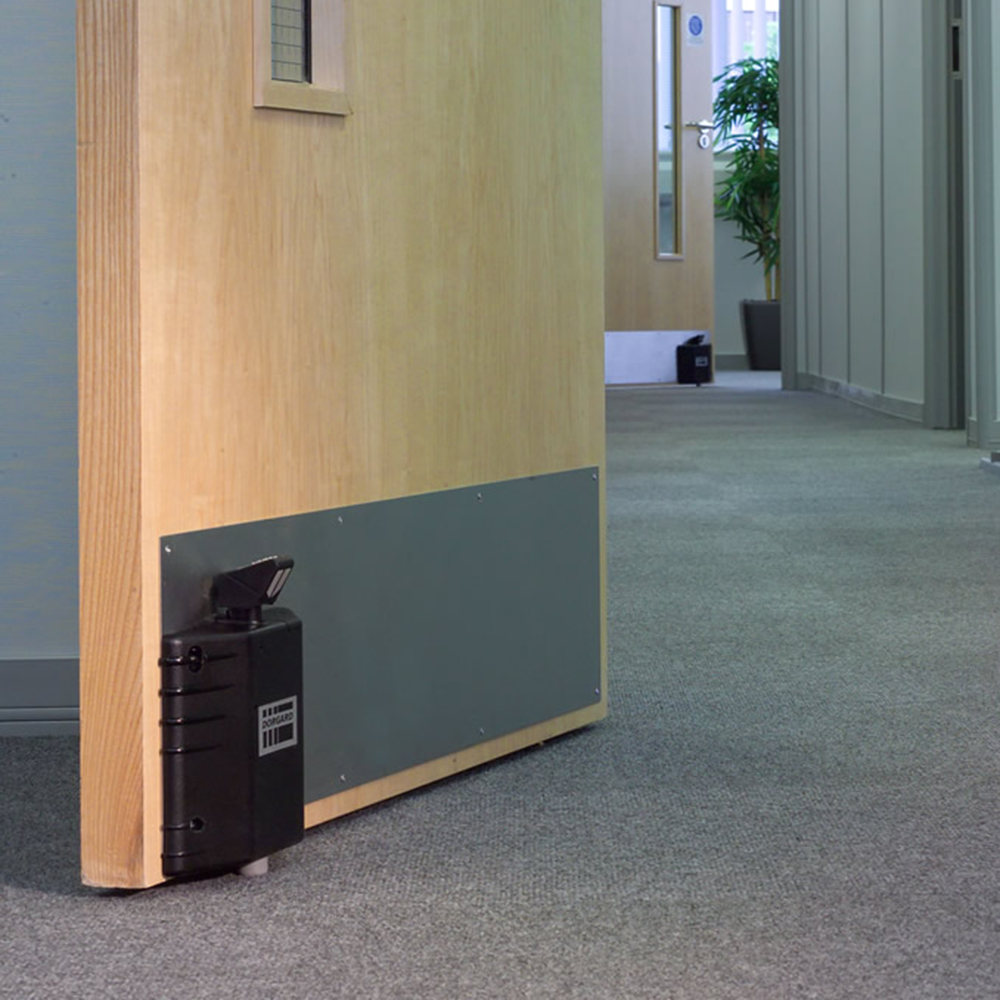
Dorgard Fire Door Retainers will safely hold open classroom fire doors to improve ventilation

Identifying Issues: Monitoring Air Quality in Schools

SAHME is offering a free air quality monitor to schools across the UK. The devices measure carbon dioxide (CO2), volatile organic compounds (VOCs) particulate matter (PM), temperature and relative humidity, with data available to both teachers and pupils. The data from each monitor is also recorded on a national database, available to SAHME, which will be analysed to understand and improve long-term air quality for all schools.

Schools in the scheme which monitor trends in air quality across their site will be able to identify areas in which ventilation improvements need to be made. SAHME acknowledges that in some areas, mechanical ventilation systems may be required. For many areas, however, natural ventilation from opening windows and doors is enough to reduce air pollutants to acceptable levels.

Improve air circulation with a fire door retainer

Fire doors are critical to any building’s infrastructure, but they can be a barrier to good air circulation. Propping or wedging open fire doors, or cutting the bottom off a fire door is, however, illegal, and could be dangerous as the door may fail to prevent the spread of fire.

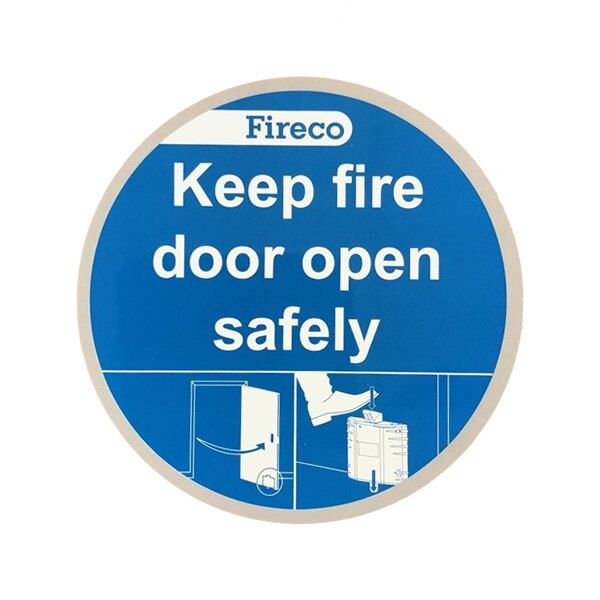
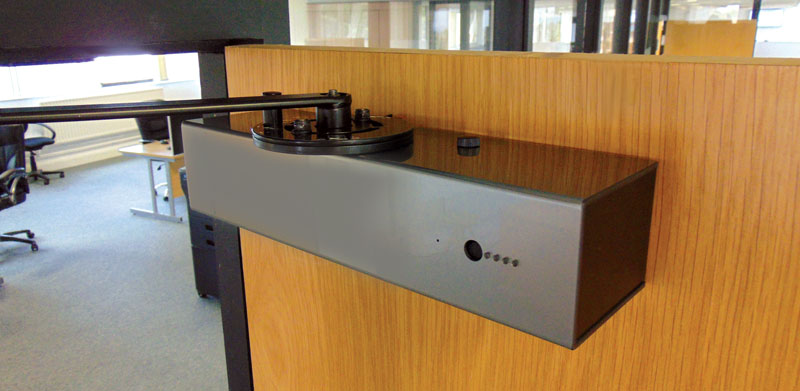
Fireco’s Pro Fire Door Retainer System can improve ventilation without compromising fire safety. The fire door retainer devices hold fire doors open safely, allowing air to circulate throughout the building. Dorgard Pro and Freedor Pro retainers can be used to hold doors open at any angle, allowing for adjustments during colder months. Doors are released to close as soon as the fire alarm sounds, protecting pupils, staff and property.

The fire door retainer devices are wireless and battery-operated, meaning they can be installed with minimum disruption. In nurseries, primary schools, SEN schools, and other noisy environments, the Pro system is ideal. The ProHub control panel is hardwired directly into the building’s fire alarm panel which eliminates the possibility of false activations.

Safely increase ventilation by holding fire doors open safely
A Freedor Free-swing Closer will hold the fire door open at any angle

Allow ventilation with an intumescent grill

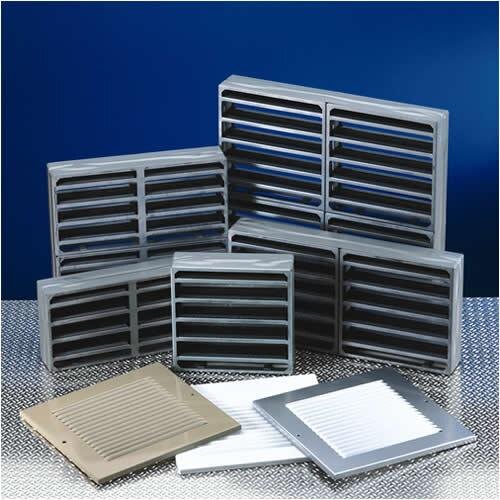
Air flow can be increased in schools by installing fire-proof ventilation grilles into fire doors. This should only be done after checking that the fire door can be adapted to include intumescent grilles. Due to the varying construction of fire doors, some doors cannot be safely altered in this way. Some doors may need an additional hard wood liner fitted in the newly-created aperture. Fire doors that require cold smoke seals may not be suitable for installing intumescent grilles. As the grilles rely on heat from fire to activate them to swell, cold smoke may be able to pass through before this happens. Always consult your fire risk assessment for the type of seals that are required before having work carried out on your fire doors. Any work to fire doors should be carried out by a competent person.

Air transfer vents fitted into fire doors should always be fire-rated. Intumescent grilles are specially designed to swell when exposed to heat, closing the gap and maintaining the fire resistance of the door. A standard air transfer vent would not do this and so would invalidate the fire door certification and fail to stop the spread of fire.

increase ventilation with fire rated air transfer vents
Increase ventilation with fire-rated air transfer vents

Safelincs fire door services

If you are unsure about whether your fire doors are fit for purpose, or require support to install fire door retainers contact our fire door team on 01507 464185 or email firedoors@safelincs.co.uk. Our qualified engineers can visit your site anywhere in the UK to inspect existing doors or carry out installation work.

FAQs

Is it safe to cut the bottom off a fire door to improve ventilation?

Fire doors should never be cut to improve ventilation. The maximum gap under a fire door is 8-10mm depending on the door specification. A gap any larger than that could result in the door failing to prevent the spread of fire. Some fire doors can be trimmed to fit if they are too tall for the door opening. Always consult the manufacturer to ensure it is possible to trim the door without affecting its fire rating. Great care should be taken when altering fire doors so that the door certification is not invalidated.

Are fire door retainers suitable for external fire doors?

No, fire door retainers are not suitable for external use. However, it is worth noting that in many cases, final exit doors do not need to be fire rated. If existing external/final exit doors are not fire rated, they are not fire doors. These can therefore remain open to improve a classroom’s ventilation.

There is no solution for retaining final exit doors which are also fire rated. If ventilation is insufficient in this instance, a mechanical ventilation system may be required.

Mel Saunders

Head of Marketing

With over 20 years of experience in content writing, design and marketing, Mel now heads up the Content & Marketing Team at Safelincs. Having been in the fire safety industry for over 5 years, Mel has now developed a deep understanding of some of the critical issues facing the industry. Alongside her team, she aims to support the public with resources and information to help them improve fire safety at home, in the workplace or in 3rd sector organisations.

Latest Posts by Mel Saunders

What Is A Class D Fire?14th May 2026
What Is A Class F Fire?13th May 2026
Ionisation Smoke Alarms Buyers Guide12th May 2026

New! Longlife Radio-interlinked Smoke Alarms from UltraFire with a 10-year warranty

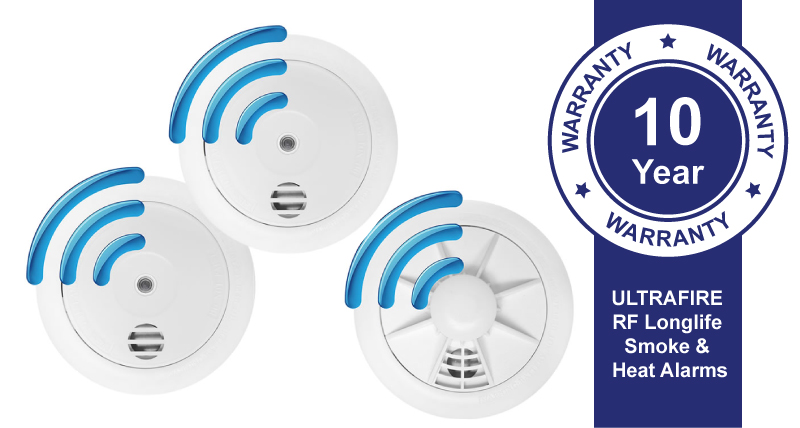
The new longlife radio-interlinked smoke alarms from UltraFire are a great option for any home. They are the only radio-interlinked smoke and heat alarms available in the UK that have a 10-year warranty for complete peace of mind.

UltraFire Longlife Radio-interlinked Smoke & Heat Alarms have a 10 year warranty

Longlife and long warranty

UltraFire longlife radio-interlinked alarms are fitted with a 10-year sealed battery. This battery lasts for the lifetime of the alarm so will never need to be changed and cannot be tampered with. The base of the alarm and the alarm itself are covered by a 10-year manufacturer’s warranty for the lifetime of the alarm. This gives you complete peace of mind.

Radio-interlinked alarms give you the best chance of escape

Radio-interlinked alarms are recognised by the fire service as giving the best chance of escape. Fitting multiple alarms around your home and linking them together means that if one alarm detects a fire, all the alarms will sound. This means that where ever you are in your home, you will be alerted if a fire is detected. This early warning gives everyone in your household a better chance of escape.

Fire detection throughout your home

Wirelessly link up to 15 of these UltraFire radio-interlinked smoke and heat alarms in one system. This will quickly alert the whole house if a fire is detected. Fit the UltraFire heat alarm in the kitchen and garage, and smoke alarms in any rooms where a fire could start. As a minimum, alarms should be fitted in the main living area, kitchen and all hallways and landings.

We offer a smoke and heat alarm starter kit which can be linked to additional alarms from the same range.

Suitable for the 2022 Scottish legislation

The UltraFire Longlife Radio-interlinked Smoke and Heat Alarms comply with the latest Scottish alarm regulations for homes.

UltraFire ULL10RF Wireless Alarm Kit – 1 x Heat & 2 x Smoke
  • FREE delivery
  • Battery: 10 year sealed lithium battey
  • Warranty: 10 year manufacturer's warranty
  • Wirelessly interlink up to 15 UltraFire ULL10RF devices
  • 2 x optical smoke alarms and 1 x heat alarm included
  • Suitable for BS 5839-6: 2019 Grade F1 installations
  • Compliant with Scottish 2022 and Northern Ireland Landlord 2024 legislation
£72.99 ex VAT
£87.59 inc VAT
Buy Now

Mel Saunders

Head of Marketing

With over 20 years of experience in content writing, design and marketing, Mel now heads up the Content & Marketing Team at Safelincs. Having been in the fire safety industry for over 5 years, Mel has now developed a deep understanding of some of the critical issues facing the industry. Alongside her team, she aims to support the public with resources and information to help them improve fire safety at home, in the workplace or in 3rd sector organisations.

Latest Posts by Mel Saunders

What Is A Class D Fire?14th May 2026
What Is A Class F Fire?13th May 2026
Ionisation Smoke Alarms Buyers Guide12th May 2026

Money Saving Tips for Businesses

With energy prices soaring and lots of businesses still feeling the effects of the Covid pandemic, many businesses and organisations are understandably looking for ways to reduce costs. When it comes to fire safety, cost saving should never compromise the level of protection in your organisation. Read our top money saving tips for businesses so you can cut costs without cutting corners.

money saving tips for businesses

1.Switch to P50 Service-Free Fire Extinguishers 

No annual service from a trained technician – Due to their unique construction, P50 Service-Free Fire Extinguishers can reduce your fire extinguisher costs substantially. Unlike traditional steel extinguishers that require annual servicing from a trained technician each year, P50 Service-Free Extinguishers only require a simple visual inspection. A member of your team can carry out this inspection and will receive free training from Safelincs at the point of installation. This eliminates your annual extinguisher servicing costs.

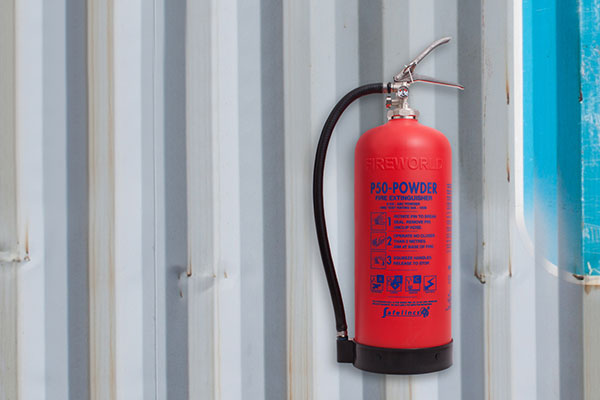
Longer lasting and highly durable – P50 Service-Free Extinguishers have a 10 year warranty and a lifespan that is twice as long as steel extinguishers. They can last for 20 years if they are refilled by the manufacturer after 10 years. P50 Extinguishers will not corrode – even if left outside for 20 years! This is due to the materials used in their construction.

Reduce the number of extinguishers required – Due to its superior fire rating and versatility, the P50 Foam Service-Free Extinguisher can often replace a common extinguisher combination of 9ltr Water and 2kg CO2. Making this switch actually gives you better coverage for class A and B fires and can also be used to effectively tackle electrical fires. Having one P50 Foam Extinguisher rather than the traditional combination of water and CO2 extinguishers also removes confusion about which unit to choose in the event of a fire. Having less units to install and maintain will significantly reduce fire extinguisher costs.

Free site survey, delivery and installation service – If you decide to switch to P50 Service-free Extinguishers, Safelincs will carry out a site survey at your premises, deliver and install the extinguishers free of charge. Our professional technicians will also commission the P50 extinguishers and supply and fit wall brackets with no extra charge. Your staff will receive training on how to complete the annual visual inspection and the engineer will complete and supply all relevant certification. Our team will even remove and recycle your old steel extinguishers!

money saving tip - p50 extinguishers
Switch to P50 Service-Free Extinguishers and reduce fire extinguisher costs

2. Install LED emergency lighting

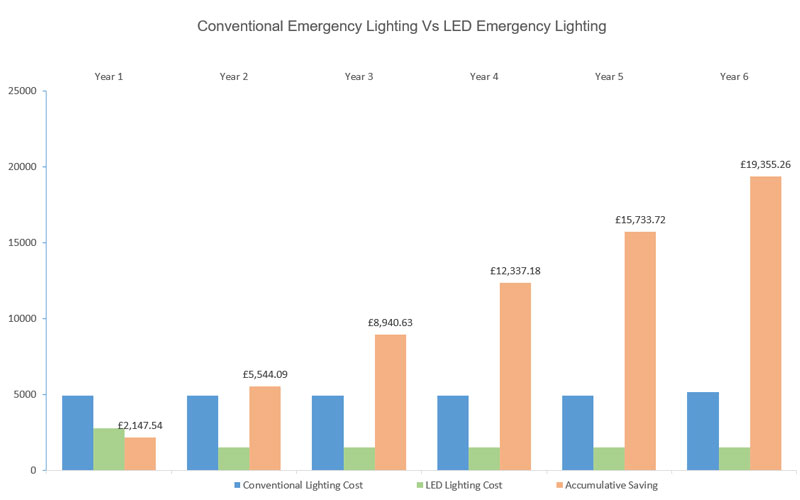
The purchase price of LED emergency lighting has come down a lot in recent years. It is now in many cases cheaper than the cost of the traditional fluorescent bulb equivalent. Aside from the upfront cost saving, the accumulative saving with LED lighting is substantial.
With the price of electricity at a record high and continuing to rise, cutting energy usage can make a big difference to business expenses year on year. LED emergency lights such as the Eden LED Emergency Lighting Bulkhead (Maintained) are far more energy efficient. They use only 5W of power compared to the 21W used by a standard fluorescent bulb. View our LED Emergency Lighting cost for comparison article for further analysis of the amount that can be saved.
money saving tip - LED emergency lighting

3. Carry out regular maintenance checks

Keeping your fire safety equipment maintained in good working order is a legal requirement. This could also save you money in the long run. Servicing fire safety equipment and making regular checks will uncover any issues early on that could be more costly to rectify later on.

money saving tip - maintaining equipment
Regularly check and service fire safety equipment to reduce long term costs

4. Choose versatile fire extinguishers

Install a broad-spectrum fire extinguisher such as a Water Mist Extinguisher and you could reduce the number of fire extinguishers you require. Suitable for class A, B and C type fires and tested for use on live electrical equipment, Water Mist extinguishers are ideal for tackling most common fires found in offices, warehouses, schools, churches and many other locations.

money saving tip - versatile extinguishers
Choose versatile fire extinguishers to keep costs down

5. Take advantage of quantity discounts from a trusted supplier

Purchasing a higher quantity of equipment at one time means you can take advantage of quantity discounts. Safelincs offer a reduced unit price on many items when multiple units are purchased at the same time. It often also pays to use one trusted supplier for multiple services and equipment as this may help to reduce call out fees or delivery costs. Safelincs can provide a complete range of fire and safety services and equipment, and we would be happy to discuss your individual requirements.

If you would like to speak to our team about any of these money saving tips for businesses please call 0800 612 6537 or email info@safelincs.co.uk.

Mel Saunders

Head of Marketing

With over 20 years of experience in content writing, design and marketing, Mel now heads up the Content & Marketing Team at Safelincs. Having been in the fire safety industry for over 5 years, Mel has now developed a deep understanding of some of the critical issues facing the industry. Alongside her team, she aims to support the public with resources and information to help them improve fire safety at home, in the workplace or in 3rd sector organisations.

Latest Posts by Mel Saunders

What Is A Class D Fire?14th May 2026
What Is A Class F Fire?13th May 2026
Ionisation Smoke Alarms Buyers Guide12th May 2026

Safelincs Water Mist Extinguishers delivered to protect Ukraine’s historic buildings

Working alongside the ICOMOS (International Council on Monuments and Sites), Safelincs played a pivotal role in providing and delivering 440 Water Mist Extinguishers to Ukraine. The extinguishers will be used to protect up to 200 historic wooden churches in remote communities across the country.

Ukraine's historic buildings
Water Mist Fire Extinguishers will be used to protect Ukraine’s historic wooden churches

We were approached by the ICOMOS as part of an international effort to preserve Ukraine’s historic monuments in the war-ravaged country.  As part of our support package, we provided the Water Mist Extinguishers at well below cost-price. We also donated accessories and navigated complicated bureaucracy to organise shipping to Poland, which we included free of charge. From there, the Water Mist extinguishers were stored and transported by The Polish Committee for Ukrainian Museums.

Once in Ukraine, the fire extinguishers will be distributed to wooden churches on the UNESCO World Heritage List and other wooden churches of cultural and historical significance. Instructions for use were also translated into Ukrainian and will be distributed alongside the extinguishers.

Ukraine's historic churches
Sosenko fresco inside one of Ukraine’s historic churches
Water Mist Extinguishers
Water Mist extinguishers

Water Mist Extinguishers are ideal for use in this type of heritage building. They contain only de-ionised water dispensed through a supersonic nozzle creating a super fine mist. The water mist is so fine that it appears ‘dry’ and leaves no residue. This minimises potential damage to the fragile painted surfaces, fabrics and objects contained within the churches.

Mel Saunders

Head of Marketing

With over 20 years of experience in content writing, design and marketing, Mel now heads up the Content & Marketing Team at Safelincs. Having been in the fire safety industry for over 5 years, Mel has now developed a deep understanding of some of the critical issues facing the industry. Alongside her team, she aims to support the public with resources and information to help them improve fire safety at home, in the workplace or in 3rd sector organisations.

Latest Posts by Mel Saunders

What Is A Class D Fire?14th May 2026
What Is A Class F Fire?13th May 2026
Ionisation Smoke Alarms Buyers Guide12th May 2026

New! P50 Water Mist Service-Free Extinguisher

Exclusive to Safelincs!

Safelincs is excited to announce the forthcoming launch of the P50 Water Mist Extinguisher. Developed in partnership with Britannia Fire, the Water Mist is the latest addition to the innovative P50 Service-Free Extinguisher range. The P50 Water Mist Extinguisher uses forward-thinking fire extinguisher technology to combine all the benefits of P50 Service-Free Extinguishers with the highly versatile and eco-friendly media of Water Mist.

Introducing the new P50 Water Mist Service-Free Extinguisher

A highly versatile and eco-friendly extinguisher

Fine droplets of de-ionised water are dispensed through a special nozzle creating a fine mist curtain that is highly effective on a wide range of fires. Water Mist can be used on class A, B and C fires as well as fires involving live electrical items of up to 1000v (at a distance of 1m). Its versatility makes it ideal for use in many circumstances including offices, warehouses, schools, hospitals, farms and entertainment venues.

As Water Mist contains only de-ionised water, it is non-toxic and kind to people, animals and the environment. Unlike foam, powder or water extinguishers, Water Mist leaves no messy residue to clean up. This make making it an ideal choice for indoor or outdoor use.

All the benefits of a service-free extinguisher

P50 Service-Free Extinguishers offer a variety of benefits including the potential to save you a substantial amount on your fire extinguisher costs. Their unique construction makes them incredibly lightweight yet strong and durable. Because of these distinctive attributes, they do not require annual servicing from a qualified engineer. Instead, a simple visual inspection can be completed annually by a member of your team. Safelincs will provide free training for this.

Unlike traditional fire extinguishers, P50 Service-Free Extinguishers do not need to be re-filled until they are 10 years old. They can then be refurbished for another 10 years of use, giving a total of 20 years of service. As they are not made from steel, P50 extinguishers will not corrode. They can be left outside without any further protection from the elements. Their super-strong construction makes them long-lasting, highly durable and impact-resistant.

Switch to P50 Water Mist Extinguishers and save

With no annual servicing fee and a long life-span, many organisations enjoy large cost savings as a result of switching to P50 Service-Free Extinguishers. Due to the versatility of the P50 Water Mist Extinguisher, it may also be possible to reduce the number of extinguishers needed on your site, saving further cost.

P50 Water Mist Service-Free Extinguishers are exclusive to Safelincs. We offer a complete installation package free of charge which includes a site survey, delivery, installation, commissioning, certification and staff training.

Register your interest at safelincs.co.uk

Mel Saunders

Head of Marketing

With over 20 years of experience in content writing, design and marketing, Mel now heads up the Content & Marketing Team at Safelincs. Having been in the fire safety industry for over 5 years, Mel has now developed a deep understanding of some of the critical issues facing the industry. Alongside her team, she aims to support the public with resources and information to help them improve fire safety at home, in the workplace or in 3rd sector organisations.

Latest Posts by Mel Saunders

What Is A Class D Fire?14th May 2026
What Is A Class F Fire?13th May 2026
Ionisation Smoke Alarms Buyers Guide12th May 2026

New Smoke Alarm Regulations for Rented Homes in Wales

From 15th July 2022, the Renting Homes (Fitness for Human Habitation) (Wales) Regulations come into force. All landlords in Wales will need to ensure their properties meet the new legislation in order to be classified as fit for human habitation. New rules on smoke alarms and carbon monoxide alarms are stipulated as part of the regulations. So, what does this mean for landlords in Wales?

new regulations for rented homes in Wales

Smoke and carbon monoxide alarms in rented properties in Wales

To comply with the new smoke alarm regulations, landlords must ensure all rented properties have a minimum of:

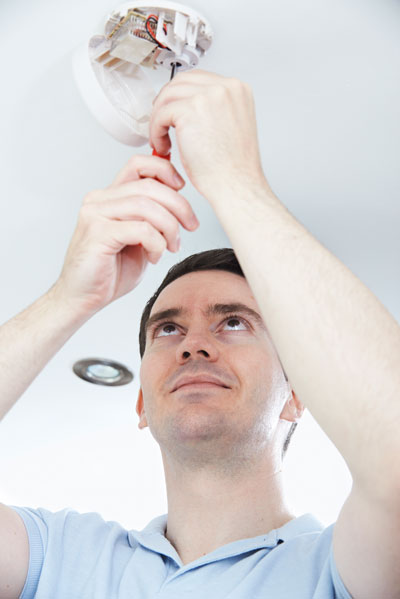
  • At least one hard-wired smoke alarm (mains powered) on each level of the home
  • All hard-wired alarms must be interlinked, either via a wireless radio-interlinking system or wired interlinking system
  • A carbon monoxide alarm in any room with a fuel burning appliance (gas, oil or solid fuel)
  • A heat alarm in the kitchen 

View our range of alarms suitable for the new Welsh regulations.


Protecting tenants and property from fire

Whilst the above regulations set out a minimum smoke alarm requirement, it also recommends that in larger or more complex properties additional smoke alarms should be considered in order to fully protect tenants. Any alarms additional to the new regulations are not required to be interlinked or mains-powered.

With 60% of fires in the home beginning in the kitchen, a heat alarm is recommended. Heat alarms can be installed in the kitchen and will not be triggered by cooking fumes or steam, meaning less false alarms.

new smoke alarm regulations
Consider installing additional smoke and heat alarms in larger properties

What is the deadline for complying with the new Welsh regulations?

For smoke alarms, where there is already a tenancy in place on 15th July 2022, landlords will have until 15th July 2023 to comply with the new smoke alarm regulations. If a new tenancy starts after the 15th July 2022 deadline, smoke alarms must meet the new requirements at the start of the tenancy. The regulations for providing a CO alarm in each room with a fuel burning appliance is applicable in all rental homes regardless of tenancy agreements from 15th July 2022. More clarification can be sought in this in-depth smoke alarm guide from the Landlords Guild.

Which alarms do I need for my rental property in Wales?

Landlords need to provide mains-powered smoke alarms that are interlinking on each level of the rental home. Carbon monoxide alarms should also be provided. See above for full guidance on the new regulations. View our range of alarms suitable for the new Welsh regulations.

Who is responsible for the alarms once they are installed?

Under the new smoke alarms regulations in Wales, landlords are responsible for maintaining and replacing smoke alarms when necessary. It is important to note the date of alarm installation and when the alarm will require replacing. Smoke alarm sensors usually have a lifespan of 10 years (always check the manufacturer’s instructions), after which they become less effective. Landlords are not responsible for testing the smoke alarms.

Do hard-wired smoke alarms need to be installed by an electrician?

Yes. Hard-wired smoke alarms need to be installed by an electrician.

What is the penalty for not complying with the new smoke alarm rules?

The regulations have been updated to protect the safety of tenants. Radio-interlinked alarms alert residents sooner, allowing more time to escape in an emergency. Mains-powered alarms give more certainty to tenants and landlords than battery powered alarms. Under the new Fitness of Homes for Human Habitation legislation, any property that is not fitted with compliant smoke and carbon monoxide alarms will be deemed as not fit for human habitation. Until this is resolved, the tenant would not be required to pay rent.

Mel Saunders

Head of Marketing

With over 20 years of experience in content writing, design and marketing, Mel now heads up the Content & Marketing Team at Safelincs. Having been in the fire safety industry for over 5 years, Mel has now developed a deep understanding of some of the critical issues facing the industry. Alongside her team, she aims to support the public with resources and information to help them improve fire safety at home, in the workplace or in 3rd sector organisations.

Latest Posts by Mel Saunders

What Is A Class D Fire?14th May 2026
What Is A Class F Fire?13th May 2026
Ionisation Smoke Alarms Buyers Guide12th May 2026

Save Money On Your Energy Bills! Draught-proof Your Home

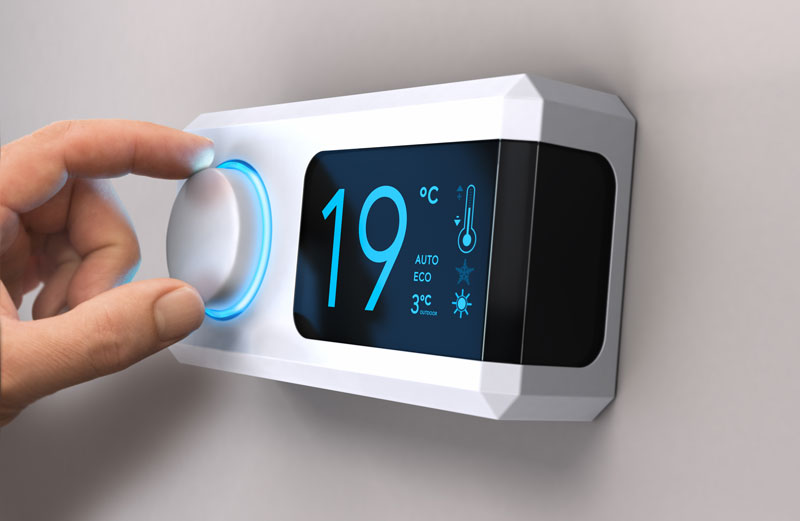
With electric and gas prices rising, making your home as energy efficient as possible should be a priority for anyone looking to save money on their energy bills. According to Which? draught-proofing is one of the top 10 ways to reduce energy bills. DraughtEx and Gapseal draught excluders are an easy and cost-effective way to insulate your home and could cut your heating bills significantly.

save money on your energy bills
Save money on your energy bills by draught-proofing your home

Make your home more energy efficient

Stop heat escaping through gaps and cracks to make your home more energy efficient. By reducing heat loss, less energy will be required to heat your home. The EPC (Energy Performance Certificate) rating of your home which takes into account the energy performance of windows and floors, can be improved by draught-proofing. Not only does a high EPC rating make for a more comfortable living environment, it may also help prospective buyers when selling your home. Landlords in England and Wales are required by law to get an EPC rating of band E or above when letting out properties. Draught-proofing is an easy solution to improving the energy efficiency and EPC rating whilst also reducing your carbon footprint.

Draught-proof your home with DraughtEx
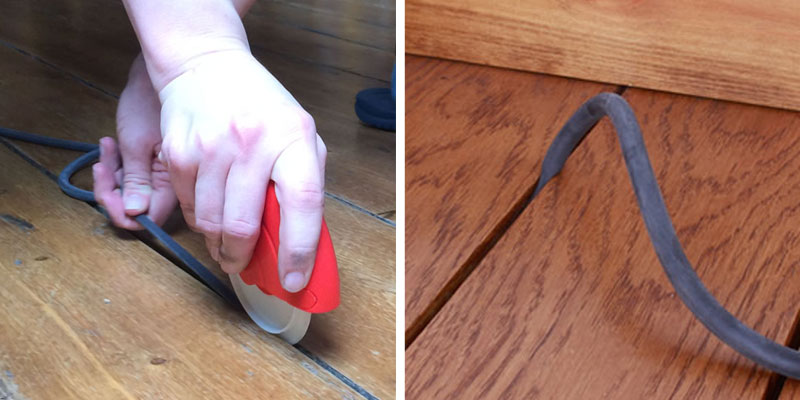
Use DraughtEx to plug draughty floorboard gaps

Save money on your energy bills

Draught-proofing can significantly lower your energy bills as less heating is required to maintain your home at a comfortable temperature. The Energy Saving Trust predicts that insulating the floorboards on the ground floor of a gas-heated home could save as much as £85 per year. DraughtEx Floorboard Gap Filler is ideal for this purpose. In older houses with sash windows, Gapseal Sash Window Filler can also help to reduce heat loss around windows.

Save money by draught-proofing your home with Gapseal
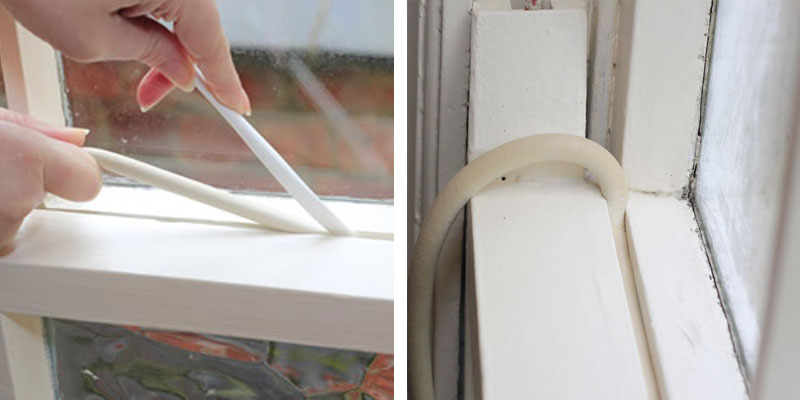
Use Gapseal to reduce heat loss around sash windows

Easy, no-mess draught excluders

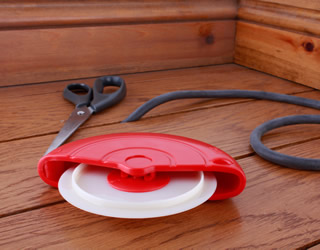
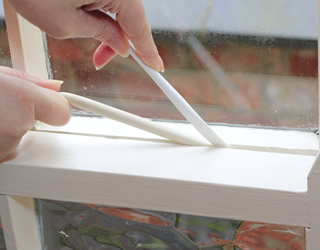
Both DraughtEx and Gapseal offer an easy, cost-effective solution to cold draughts. With no gluing required, both products are supplied with a free applicator tool to push the flexible tube into the gap, plugging the draught. The flexible nature of DraughtEx and Gapseal means that over time, the filler will not crack or age, giving long lasting draught protection.


Why not order a sample pack of DraughtEx or Gapseal and see the difference it could make to your home and energy bills?

DraughtEx Floorboard Gap Filler
  • Floorboard draught excluder
  • Supplied with FREE applicator tool
  • Available in 3 sizes: thin, standard and thick
  • FREE economy delivery

£7.91 ex VAT
£9.49 inc VAT
Buy Now
Gapseal Sash Window Gap Filler
  • Sash window draught excluder
  • Supplied with FREE applicator tool
  • Suitable for 2-7mm gaps
  • FREE economy delivery

£11.66 ex VAT
£13.99 inc VAT
Buy Now

Mel Saunders

Head of Marketing

With over 20 years of experience in content writing, design and marketing, Mel now heads up the Content & Marketing Team at Safelincs. Having been in the fire safety industry for over 5 years, Mel has now developed a deep understanding of some of the critical issues facing the industry. Alongside her team, she aims to support the public with resources and information to help them improve fire safety at home, in the workplace or in 3rd sector organisations.

Latest Posts by Mel Saunders

What Is A Class D Fire?14th May 2026
What Is A Class F Fire?13th May 2026
Ionisation Smoke Alarms Buyers Guide12th May 2026

Temporary Fire Doors – Keeping Workers Safe on Construction Sites

Construction sites can be hazardous places and the health and safety of workers and contractors must be a priority. Installing temporary fire doors during the construction phase should be considered in the fire safety plan prior to construction. According to the Regulatory Reform (Fire Safety) Order 2005, the principal designers should consider compartmentation and escape routes as part of their health and safety planning. This is particularly important in high rise buildings where the escape route could be cut off in the event of a fire.

construction site fire doors

Fire doors – part of a compartmentation system

If a fire breaks out, fire doors, walls, ceilings and floors can be designed to form a passive fire protection system. This system will contain a fire in one area of the building. It will prevent it from spreading and causing further damage or endangering lives. Construction site fire doors are a critical part of this system and can protect escape routes, allowing contractors to exit the building safely in the case of a fire.

Temporary fire rated doors

Temporary fire protection during construction does not need to look good! It needs to serve a purpose. Therefore a fire door that has no primer or final finish is ideal as a solution during the construction phase. An FD30 fire rated door usually provides sufficient protection. However, a higher rating may be required depending on the type of fire risks and building specifications. Fire doors, whether temporary or not, should be fitted with a self-closing device.

Build a temporary site fire door to your specifications and measurements using our fire door configurator. Choose a basic, unprimed finish, add door closers, intumescent fire and smoke seals and frames if required.

Find out more about temporary fire protection during construction in our article fire safety on construction sites.

Mel Saunders

Head of Marketing

With over 20 years of experience in content writing, design and marketing, Mel now heads up the Content & Marketing Team at Safelincs. Having been in the fire safety industry for over 5 years, Mel has now developed a deep understanding of some of the critical issues facing the industry. Alongside her team, she aims to support the public with resources and information to help them improve fire safety at home, in the workplace or in 3rd sector organisations.

Latest Posts by Mel Saunders

What Is A Class D Fire?14th May 2026
What Is A Class F Fire?13th May 2026
Ionisation Smoke Alarms Buyers Guide12th May 2026