Tuesday 12th May 2026
Ionisation smoke alarms have been a household staple for decades, but the technology is being phased out and replaced with something better. Many people have one on their ceiling right now and have never given it much thought, but with British Standards no longer recommending them for new installations, it’s worth knowing where things stand. Whether you want to understand how they work or how they compare to modern optical alarms, this guide covers it all.
Contents
- What Is an Ionisation Smoke Alarm?
- How Do Ionisation Smoke Alarms Work?
- Why Are Ionisation Smoke Alarms Being Phased Out?
- What Is the Difference Between Ionisation and Optical Smoke Alarms?
- Where to Use Ionisation and Optical Smoke Alarms
- How to Dispose of Ionisation Smoke Alarms in the UK
- What Should You Replace an Ionisation Smoke Alarm With?
What Is an Ionisation Smoke Alarm?
Ionisation smoke alarms are one of the oldest forms of smoke detection technology still found in UK homes. For decades they were the standard as they were cheap to produce and widely available. You’ll still find them in plenty of properties built or fitted out before the mid-2010s.
The name comes from the science behind them. Ionisation is the process of electrically charging particles in the air and that’s exactly what happens inside the alarm’s detection chamber. A tiny amount of radioactive material creates a small but steady electrical current by ionising the surrounding air. When smoke enters the chamber, it interrupts that current and triggers the alert. It’s a surprisingly simple bit of physics when you break it down.
That detection method made ionisation alarms particularly good at picking up fast-flaming fires: the kind that spread quickly and produce relatively little visible smoke in the early stages. Think of a fire that starts from paper or dry wood, rather than a smouldering sofa cushion.
How Do Ionisation Smoke Alarms Work?
Inside every ionisation smoke alarm sits a tiny amount of a radioactive element called Americium-241. This material ionises the air inside a small detection chamber, creating a continuous low-level electrical current between two charged plates.
When smoke enters the chamber, it disrupts that current. The alarm detects the interruption and triggers the alert.
The amount of radioactive material involved is minute and there’s not enough to pose any health risk during normal use, but it’s the presence of Americium-241 that’s now causing the whole category to be wound down.
Why Are Ionisation Smoke Alarms Being Phased Out?
Ionisation alarms aren’t being retired because they stopped working, but rather because the radioactive material inside them creates real problems at scale.
- Manufacturing is a headache. Handling Americium-241 in large quantities requires specialist facilities and strict safety controls. As optical technology has improved and become cheaper, manufacturers have concluded that building ionisation detectors just isn’t worth the hassle anymore.
- Transport is complicated too. Moving radioactive materials across borders involves layers of regulation and specialist packaging. When the alternative technology (optical) needs none of that, the choice for manufacturers becomes fairly straightforward.
- Disposal is where things get particularly thorny for consumers, and there’s more on that in its own section below.
On top of all this, several European countries including Germany and France have already banned ionisation detectors outright. The UK hasn’t gone that far yet, but the writing is firmly on the wall. The National Fire Chiefs Council (NFCC) has been openly advocating for moving away from ionisation technology, and British Standard BS 5839-6 now recommends optical or multi-sensor alarms instead.
Most manufacturers have simply stopped making ionisation alarms. If you do find them for sale somewhere, you’re likely looking at old stock.
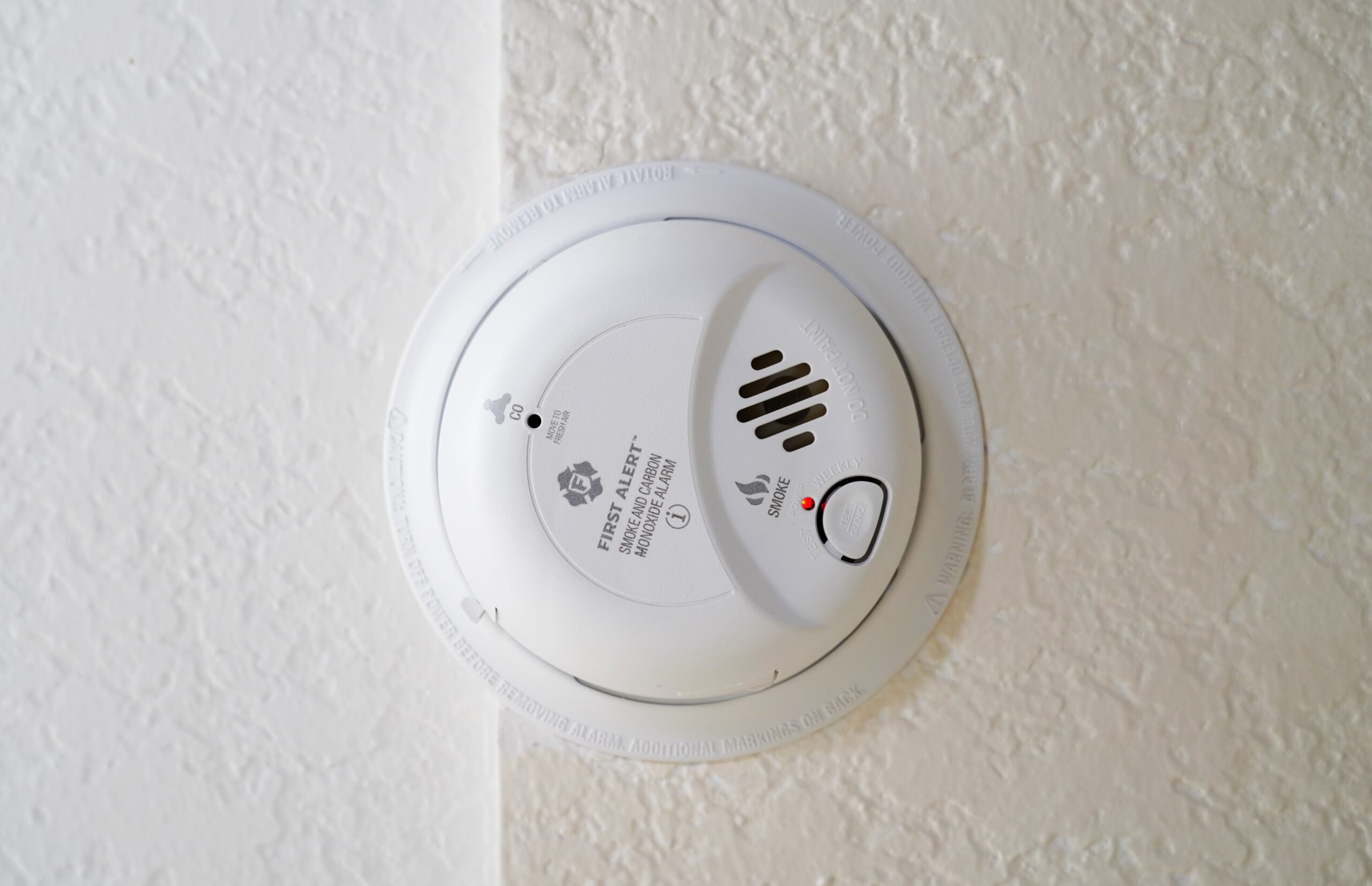
Are Ionisation Smoke Alarms Still Legal in the UK?
Yes, for now. Ionisation smoke alarms have not been banned in the UK, so if you have them installed they are not illegal. That said, BS 5839-6 no longer recommends them for new installations, and the NFCC advises replacing them with optical alarms when they reach the end of their service life.
Do Ionisation Smoke Alarms Still Work?
If yours is within its service life (typically around 10 years from the manufacture date, though always check your specific model), it will still detect fire. Where a working ionisation alarm is in a suitable location, away from kitchens and bathrooms, it will continue to provide some protection. Replacing it with an optical alarm when it expires is still the right move.
What Is the Difference Between Ionisation and Optical Smoke Alarms?
Here’s a clear comparison between ionisation and optical smoke alarms:
| . | Ionisation Alarms | Optical Alarm |
|---|---|---|
| Technology | Radioactive source disrupts electrical current | Light beam detects smoke particles |
| Best for | Fast-flaming fires | Slow smouldering fires |
| False alarm risk | Higher near kitchens | Lower |
| Radioactive material | Yes | No |
| Still in production | No (largely) | Yes |
| Recommended rooms | Landings, hallways (historically) | Living rooms, bedrooms, hallways |
The key practical difference is what each alarm is best at detecting. Ionisation alarms react quickly to fast-flaming fires with smaller smoke particles. Optical alarms, also called photoelectric alarms, are better at picking up the heavier, larger particles that come from slow smouldering fires, which are actually more common in domestic settings. Think of a cigarette left on a sofa, or a cable overheating behind a piece of furniture.
Optical alarms are also significantly less likely to sound a false alarm when you’ve left toast on a little too long, which is probably the single most irritating thing about ionisation alarms for anyone who has ever lived with one.
The technology behind optical alarms has advanced to the point where they now perform at least as well as ionisation alarms across most fire types, and in many situations better. That’s a big part of why the industry has moved on.
For the strongest all-round protection, multi-sensor alarms (which combine optical detection with heat sensing) give the fastest response to the widest range of fire types.Where to Use Ionisation and Optical Smoke Alarms

Even though ionisation alarms are phased out, plenty of people still have them installed and want to know if they’re in the right place. Here’s a straightforward guide.
Do Ionisation Smoke Alarms Work in Every Room?
No. Ionisation alarms are prone to false alarms in kitchens and bathrooms where steam and cooking fumes can trigger them. If yours is positioned near either, it’s worth moving it or replacing it sooner rather than later.
- Suitable rooms for ionisation alarms: Hallways, landings, bedrooms, rooms well away from kitchens and bathrooms
- Rooms to avoid: Kitchens, bathrooms, or anywhere with regular steam or cooking fumes
Where to Position Optical Smoke Alarms
- Living rooms: Great choice. Picks up smouldering fires from soft furnishings before they take hold
- Bedrooms: Excellent. Slower smouldering fires are more common at night, and optical alarms handle these well
- Hallways and landings: A solid fit. Less likely to false alarm from cooking smells drifting through
- Kitchens and garages: Not recommended for either type of smoke alarm. Use a heat alarm instead, as these respond to temperature rather than smoke and won’t go off every time you fry an egg
The general rule is: smoke alarm in every room where a fire could start, heat alarm in the kitchen and garage and nothing in the bathroom.
How to Dispose of Ionisation Smoke Alarms in the UK
This is where people get understandably confused, so let’s be clear.
- For households: Many local authorities would prefer you remove the battery and take the unit to your local household waste recycling centre (HWRC). It’s worth checking what your council recommends before you do anything.
- For businesses: This is where it gets more serious. Business customers cannot dispose of ionisation smoke alarms with normal commercial refuse. They need to be taken to an appropriate recycling facility, and in larger quantities, returned to the manufacturer or handled by a specialist radioactive waste company. Fines from the Environment Agency have previously been issued for improper disposal, so it’s not worth cutting corners.
One thing you should never do is dismantle or attempt to open an ionisation smoke alarm. The radioactive source inside is safely shielded during normal use, but tampering with the device could expose the Americium-241 material. Leave it intact.
When in doubt, your local council website is usually the quickest place to find specific guidance for your area.
What Should You Replace an Ionisation Smoke Alarm With?
The straightforward answer is an optical smoke alarm. The technology is mature, well-tested and recommended by British Standard BS 5839-6.
If you’re replacing alarms throughout a property, it’s also worth considering interconnected alarms. These ensure that if one alarm triggers, all of them sound simultaneously, which is particularly useful in larger homes or across multiple floors. Our radio-linked smoke alarm range is a popular choice for exactly this reason.
For the kitchen or garage, pair optical alarms elsewhere in the property with heat alarms in those rooms and you’ll have comprehensive coverage across the whole home.
If you still have ionisation alarms installed, they’ll typically continue to work until they reach the end of their service life (usually around 10 years from manufacture, though always check your specific model’s guidance). At that point, swap them out for optical smoke alarms and you’ll have better protection and fewer false alarms.
Still not sure which smoke alarm is right for your property? Our team is happy to help. Get in touch with Safelincs for free, friendly advice.All information correct at time of posting.