Wednesday 15th July 2026
Electricity is so woven into daily life that most of us have stopped noticing it. The lights, the laptop, the washing machine running in the background. It all just works. Until it doesn’t. Around 20,000 accidental fires in UK homes are caused by electricity every year, making electrical faults the leading cause of accidental dwelling fires. That’s not a distant statistic. It’s kitchens, living rooms, server cupboards and offices across the country.
This guide covers electrical fire safety from every angle (what causes electrical fires, the warning signs to watch for, how to respond if one starts and the equipment that gives you real protection). If you already know you need an extinguisher, our fire extinguishers for electrical equipment range covers every setting from the kitchen to the server room. If you want the full picture first, read on.
What is an electrical fire?
Here’s something that surprises most people: electricity itself doesn’t burn. It’s the cable coverings, plastic casings and electronic boards surrounding electrical equipment that ignite. The moment the power supply to that burning equipment stays live, it becomes a fire involving live electrical equipment.
That distinction matters enormously when it comes to responding correctly. Knowing what you’re actually dealing with changes everything about how you handle it.

Common causes of electrical fires
What starts electrical fires at home?
In UK homes, 58% of electrical fires start in the kitchen, reflecting the concentration of high-risk appliances in cooking areas. White goods alone caused 1,140 electrical fires in England in 2024 (roughly three every day, according to figures from the Fire Industry Association based on Home Office data). Washing machines, tumble dryers and dishwashers are repeat offenders, particularly when left running unattended overnight.
Outside the kitchen, the causes of electrical fires tend to fall into a few predictable patterns.
Overloaded sockets and extension leads. Plugging too many appliances into one socket (or daisy-chaining extension leads) creates heat buildup that the wiring simply wasn’t designed to handle. Overloading circuits can cause overheating behind walls, often without any obvious signs until it’s too late.
Ageing or damaged wiring. In homes with electrical installations that are 25 to 30 years old or more, the wiring may not have the capacity to handle the number of appliances now in common use. It tends to heat up faster, and older rubber or fabric-insulated wiring may no longer meet modern safety standards.
Counterfeit and cheap chargers. Unsafe mobile phone chargers have been blamed for a growing number of house fires. Bought online for as little as a pound, they may not meet UK safety standards and can overheat once plugged into a wall socket.
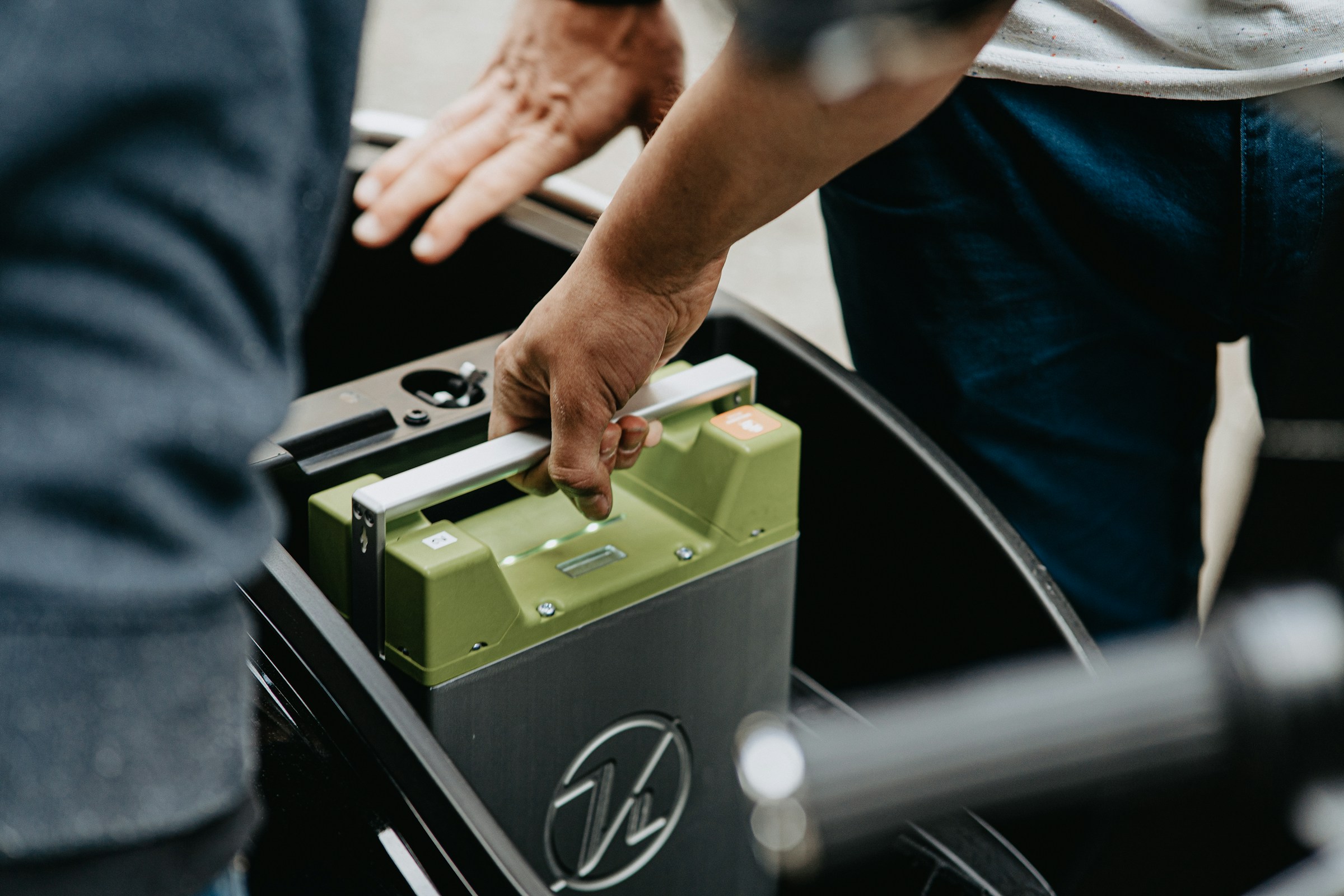
E-bike and lithium-ion battery charging. There have been serious and fatal fires caused by e-bikes being incorrectly charged, particularly where batteries are stored or charged in hallways and near exit doors – blocking escape routes. This is a risk that’s grown significantly as e-bikes, e-scooters and cordless power tools have become more common in UK homes.
Causes of electrical fires in the workplace
Electrical distribution faults were the single largest identifiable cause of workplace fires in 2024/25, responsible for around 18% of all incidents in non-residential buildings (equivalent to 2,126 fires, according to MHCLG data). These fires typically start inside walls, ceiling voids and distribution boards often without any visible sign before they take hold.
The pattern across sectors is consistent. Faulty equipment and appliances account for the majority of electrical fire incidents in UK businesses, including IT equipment, kitchen appliances and machinery that can be left unattended for hours at a time. Overloaded circuits in open-plan offices, ageing fixed wiring in older buildings, and the growing electrical load from EV charging, heat pumps and home office equipment all add to the pressure.
The Electricity at Work Regulations 1989 require that all electrical systems are constructed and maintained so as to prevent danger, so far as is reasonably practicable – a duty that covers portable appliances and fixed installations alike. Regular PAT testing and periodic Electrical Installation Condition Reports (EICRs) are the most reliable way to catch problems before they develop into fires. Skipping them isn’t just a compliance risk; it can invalidate your insurance.
Warning signs – what to watch for before a fire starts
Most electrical fires don’t arrive without warning. They give signals. The question is whether anyone pays attention to them.
Warning signs of loose wiring or other electrical problems include flickering lights, burning smells, discoloured sockets, buzzing sounds and warm plug sockets. None of these is a minor inconvenience to be ignored. Each one points to heat building somewhere it shouldn’t be.
Brown or black marks around plug sockets or switches are a clear sign of overheating.
Lights that flicker or dim without obvious cause may indicate faulty wiring or overloaded circuits.
A persistent acrid smell (often described as burning plastic) near a socket, switch or fuse box means insulation is overheating, pointing to a serious overload or loose wiring fault, and it needs immediate attention.
If your fuse board trips regularly, that’s a clear signal your electrics need a professional inspection. A one-off trip can happen. Repeated trips mean something is wrong with the wiring, and resetting the board without finding the cause doesn’t fix it.
Take any of these signs seriously and get a registered electrician to investigate. The cost of a callout is small compared to what an electrical fire costs.
Electrical fire safety tips at home – avoiding electrical fires
Avoiding electrical fires: how to keep safe at home
Prevention is straightforward. Most electrical fires are avoidable, and most of the steps that prevent them are habits rather than investments.
Keep high-powered appliances on their own socket. Kettles, microwaves and washing machines draw significant current. Sharing a socket with other devices overloads the circuit. Electrical Safety First’s socket calculator at electricalsafetyfirst.org.uk is a useful reference for checking whether a particular combination of appliances is safe.
Switch off appliances at the wall when not in use. Unless a device is designed to stay on (a fridge, a freezer, a broadband router) switching off and unplugging removes any standby power draw and residual risk. This applies to phone chargers too.
Unwind cable drum extension leads fully before use. A coiled lead in use generates heat that can’t escape. Always unwind completely before plugging in.
Register your white goods. Manufacturers issue safety recalls when faults come to light, but only registered owners receive direct notification. Registration takes two minutes and could prevent a fire.
Only charge e-bikes and scooters with the manufacturer’s approved charger. Don’t charge them overnight, or in hallways and escape routes, and disconnect once charging is complete. Store batteries away from exits and escape routes.
Don’t run the washing machine or tumble dryer unattended. Run them when you’re at home and awake so that any fault is caught early.
These are the electrical fire safety tips that make a measurable difference. They cost nothing, take seconds and remove risks that cause thousands of fires a year.
Must-knows for electrical device safety
Buying safely and staying updated
The device is only as safe as the charger, the lead and the socket it’s connected to. Buying from reputable retailers matters. Cheap chargers bought online may carry no guarantee of meeting UK safety standards, and damaged chargers can pose an electrocution risk if you touch an exposed part when plugging or unplugging.
Check the Office for Product Safety and Standards website for current recalls and safety alerts. If a product you own is listed, stop using it immediately, regardless of whether it’s shown any signs of a problem.
Electrical maintenance you shouldn’t skip
For homeowners, the key document is an EICR (an Electrical Installation Condition Report). This is a formal inspection of your fixed wiring, carried out by a registered electrician, that identifies defects and assesses whether your installation is safe. Many older UK homes were not designed to handle modern electrical demand. Today’s households commonly run high-powered kitchen appliances, home offices, EV chargers and multiple extension leads from wiring that was installed decades ago.
For businesses and landlords, EICRs are a legal requirement at defined intervals. And keeping records of them is essential for both compliance and insurance purposes.
Staying safe with electrical appliances – electrical fire safety equipment
What to use on an electrical fire at home
What do you use on an electrical fire at home or in a commercial premises?
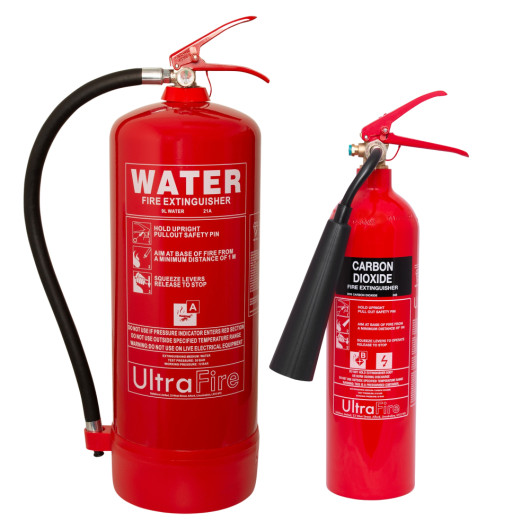
CO2 extinguishers have traditionally been the first choice for fires involving electrical equipment. The gas doesn’t conduct electricity, and it evaporates completely on discharge, leaving no residue – making it ideal for sensitive equipment such as computers and servers. The limitation is that CO2 disperses quickly, so if the heat source remains, a fire can re-ignite once the gas has cleared.
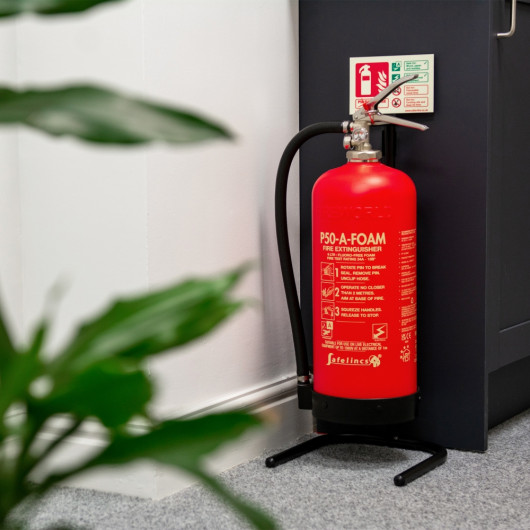
Water mist extinguishers have significantly expanded the options available. Any water-based extinguisher that has passed the dielectric test to BS EN 3-7 is suitable for use on live electrical equipment up to 1000V, at a distance of at least one metre. The test applies 35,000 volts to verify that no electrical current travels back through the discharge stream to the user. Because de-ionised water cannot conduct electricity, and because the fine mist nozzle makes pooling almost impossible, these extinguishers are particularly safe for use near live electrical equipment.
Our UltraFire water mist extinguishers are independently tested and certified to this standard. They cover Class A fires (wood, paper, fabric), Class B fires (flammable liquids) and electrical risks – replacing the traditional water-and-CO2 combination with a single unit. Our eco-foam range is another strong choice for tackling all common fire risks.
| Extinguisher type | Safe on live electrical equipment? | Leaves residue? | Best for |
|---|---|---|---|
| CO2 | Yes | No | Server rooms, sensitive equipment |
| Water mist (di-electrically tested to BS EN 3-7) | Yes (up to 1000V at 1m) | No | Offices, homes, mixed-risk environments |
| Eco-foam (certified for electrical use) | Yes | Minimal | Mixed risks including Class F |
| Dry powder | Yes (not recommended for indoor use) | Yes | High-risk industrial, outdoor |
| Standard water or foam (without di-electric certification) | No | Yes | Class A fires only |
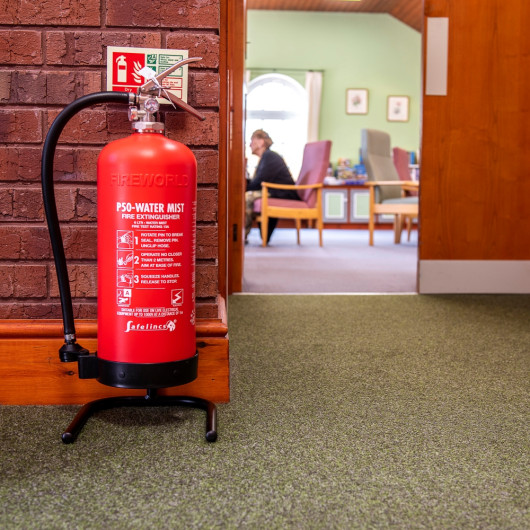
The P50 service-free option
If ongoing servicing callouts are a concern (particularly for landlords or smaller businesses managing multiple sites) our P50 service-free extinguishers are worth knowing about. They need no engineer visit for ten years. An annual visual check by your own team is all that’s required, with no compromise on certification or performance.
Smoke alarms and heat alarms
Smoke alarms provide the earliest possible warning if electrical overheating or faults begin producing smoke. A working alarm on every floor is the minimum for any home. In kitchens, where cooking fumes can trigger nuisance alarms from standard smoke alarms, a heat alarm is a better option.
What to do in case of an electrical fire
Electrical fire prevention and response: the steps that matter
If a fire starts and involves electrical equipment, the first step (if it’s safe to do so) is to cut the power. Switch off at the wall or isolate at the fuse box. This removes the live electrical risk and, in many cases, stops the fire immediately.
If you have a suitable extinguisher to hand, stand at least one metre from the equipment, aim at the base of the flames and discharge in controlled bursts. CO2 and di-electrically tested water mist extinguishers are both appropriate for this.
If the fire is spreading or you’re in any doubt about your safety: get out, close doors behind you, and call 999. Property can be replaced. Don’t go back in for belongings and don’t attempt to tackle a fire that has already grown beyond its starting point.
In the workplace, your fire action plan should clearly cover what to do in case of an electrical fire, including who is responsible for isolating equipment. If it doesn’t, or if it hasn’t been reviewed recently, a professional fire risk assessment will identify the gaps.
Electrical fire prevention – your practical checklist
Electrical fire prevention comes down to consistent habits and the right equipment. This checklist covers both.
At home:
- Test smoke alarms monthly
- Check sockets for scorch marks regularly
- Switch appliances off at the wall when not in use (unless designed to stay on)
- Don’t overload sockets or extension leads
- Only use manufacturer-approved chargers for lithium-ion devices
- Run washing machines and tumble dryers when you’re in and awake
- Use the Home Fire Safety Check tool to get your own personalised action plan with tips on electrical safety
In the workplace:
- Keep PAT testing records up to date
- Educate staff on how to spot electrical safety issues and potentially dangerous lithium-ion batteries
- Schedule EICRs at the appropriate intervals
- Ensure extinguishers are serviced annually – or switch to P50 service-free units
- Review your fire risk assessment at least annually, or after any significant change to the premises
- Make sure all staff know where extinguishers are and which type to use
For any premises, the right fire extinguisher for electrical equipment should be clearly mounted, accessible and in date. If you’d like help working out the right combination for your setting, our team is ready to advise. Browse our full fire extinguishers for electrical equipment range, or call us on 0800 612 6537.
Disclaimer
This guide is for general information only. It does not constitute legal, technical or professional fire safety advice. While we have taken care to ensure accuracy at the time of writing, fire safety regulations and product standards are subject to change. Always consult a qualified fire safety professional or registered electrician for advice specific to your premises and circumstances. In an emergency, call 999.
All information correct at time of posting.