Friday 13th March 2026
Disclaimer: This guide is for general information only. It does not constitute professional fire safety advice. Always consult a qualified fire safety professional and follow the latest UK regulations, including the Regulatory Reform (Fire Safety) Order 2005, when assessing fire risks or selecting fire safety equipment.
A class C fire is a fire involving flammable gases, such as methane, propane, butane or hydrogen. These fires are common in domestic, commercial and industrial environments where gas is present. The safest first step is to shut off the gas supply, if it’s safe to do so. You can find suitable extinguishers in our dry powder fire extinguishers category.
Estimated reading time: 5 minutes
Key takeaways:
- A class C fire involves flammable gases such as methane, propane and butane
- Class C fires are distinct from other fire classifications, which cover solids, liquids and electrical hazards
- Isolating the gas supply is the priority before attempting to extinguish a class C fire
- Dry powder extinguishers are the main extinguisher type used on class C fires
- Water and foam extinguishers must never be used on class C fires
- Preventing class C fires relies on regular maintenance of gas appliances and pipework
What gases are involved in a class C fire?
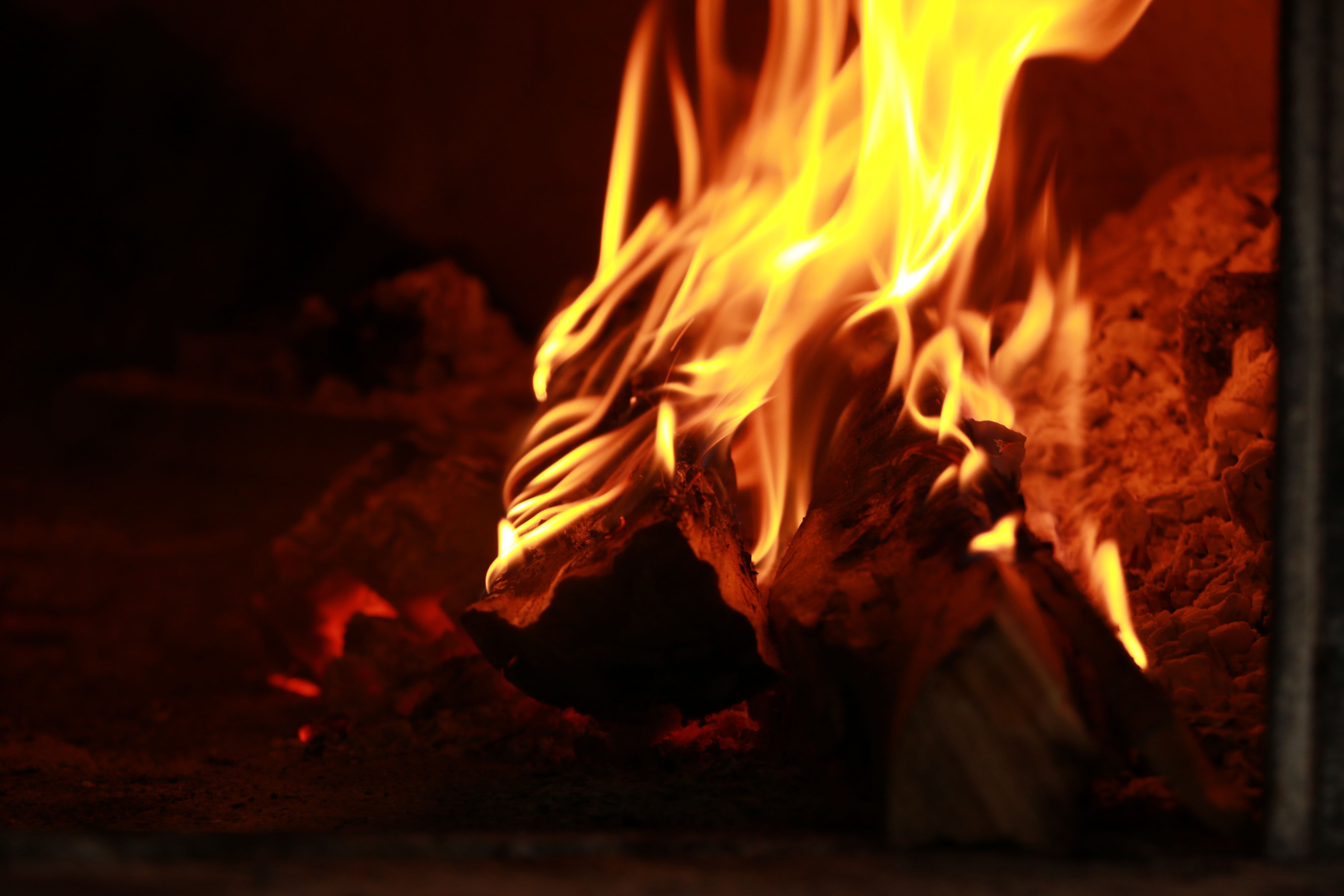
Class C fires involve flammable gases. Common examples are methane, propane, butane, natural gas and hydrogen. These gases ignite easily and burn fast, which makes class C fires particularly hazardous. They can occur in homes with gas central heating or cooking appliances, in commercial kitchens or in industrial settings where gas cylinders are stored or used.
How does a class C fire differ from other fire classifications?
The UK follows the European fire classification system, which groups fires by fuel type. Class A covers solid materials such as wood, paper and textiles. Class B covers flammable liquids like petrol and paint. Class C is for flammable gases. There’s also class D for combustible metals, class F for cooking oils and fats, and a separate category for electrical fires. Knowing the classification matters. Use the wrong extinguisher and you could make things much worse.
What should you do if you encounter a class C fire?
Don’t try to extinguish a class C fire unless you’ve shut off the gas supply and received proper training. The gas has to stop flowing before the fire can be dealt with safely. If you can’t isolate the supply, evacuate, call 999 and keep everyone away. Sometimes it’s safer to let the fire burn in a controlled way rather than extinguish it. Putting out the flame without stopping the gas allows unburnt gas to build up, which creates an explosion risk.
Which fire extinguisher works on a class C fire?
Dry powder extinguishers are rated for use on class C fires. They interrupt the chemical reaction of combustion. But dry powder leaves residue that can damage equipment and reduce visibility, so it’s best suited to outdoor or industrial settings. Water mist extinguishers can also be effective in some gas fire scenarios, but only once the supply has been isolated. Always check the extinguisher’s rating label before use.
Can you use a water extinguisher on a class C fire?
No. Water extinguishers must never be used on a class C fire. Water won’t extinguish a gas fire and could cause burns from steam or scatter burning material. Foam extinguishers are equally unsuitable. Using the wrong extinguisher on a gas fire is dangerous and can make the situation considerably worse.
How do you prevent class C fires?
Prevention is your best tool. Have gas appliances and pipework checked regularly by a Gas Safe registered engineer. Install a gas detector where gas appliances are in use. Store gas cylinders upright, in a well-ventilated area and away from ignition sources. Don’t tamper with gas connections yourself. And if you smell gas, call the National Gas Emergency Service straight away on 0800 111 999.
Are class C fires common in the UK?
Class C fires occur regularly in the UK, particularly in homes where gas central heating and gas cookers are widespread. The Health and Safety Executive recognises gas-related incidents as among the most serious fire risks in both domestic and workplace settings. The right equipment and a prompt response can make a real difference.
We stock a full range of fire safety equipment at Safelincs. If you want to make sure you’re prepared, take a look at our 1kg dry powder fire extinguisher and browse the rest of our range today.