Saturday 14th February 2026
Key Takeaways
- Flammable liquid fires (Class B) involve petrol, diesel, oils, paints and alcohol, and can ignite from a single spark or open flame.
- Never use water on a flammable liquid fire, as it can spread the flames and cause dangerous reactions.
- Foam, CO2 and dry powder extinguishers are the three effective options for tackling Class B fires.
- The PASS technique (Pull, Aim, Squeeze, Sweep) is the universal method for operating fire extinguishers safely.
- Only fight flammable liquid fires if they’re small, contained and you have a clear escape route.
- Prevention through proper storage and keeping flammable liquids away from ignition sources is your best defence.
When petrol, paint thinners or oils catch fire, you’re facing one of the most dangerous and fast-spreading fire types. Flammable liquid fires can escalate in seconds. Using the wrong approach can make things far worse. If you’ve ever wondered what you’d do if faced with burning fuel or oil, you’re not alone. Knowing how to control these fires safely could save lives and property.
Understanding Flammable Liquid Fires (Class B)
In the UK, fires involving flammable liquids are classified as Class B fires. These include petrol, diesel, oils, alcohol, paraffin, certain paints and some solvents. What makes these fires so hazardous is their ability to spread rapidly and produce intense heat.
These liquids have low flash points. This means they can ignite from a single spark or open flame. Think about why you see “No Smoking” signs at petrol stations. The danger comes from the open flame of a lighter or match used to light a cigarette, which can ignite flammable vapours in the surrounding air.
Flammable liquids can quickly vaporise when burning, mixing with oxygen in the air to create an even greater fire hazard. The fire doesn’t just burn on the surface. The vapours themselves become fuel, which is why these fires can seem to “jump” or spread so quickly.
Why Water is Your Enemy With Flammable Liquid Fires
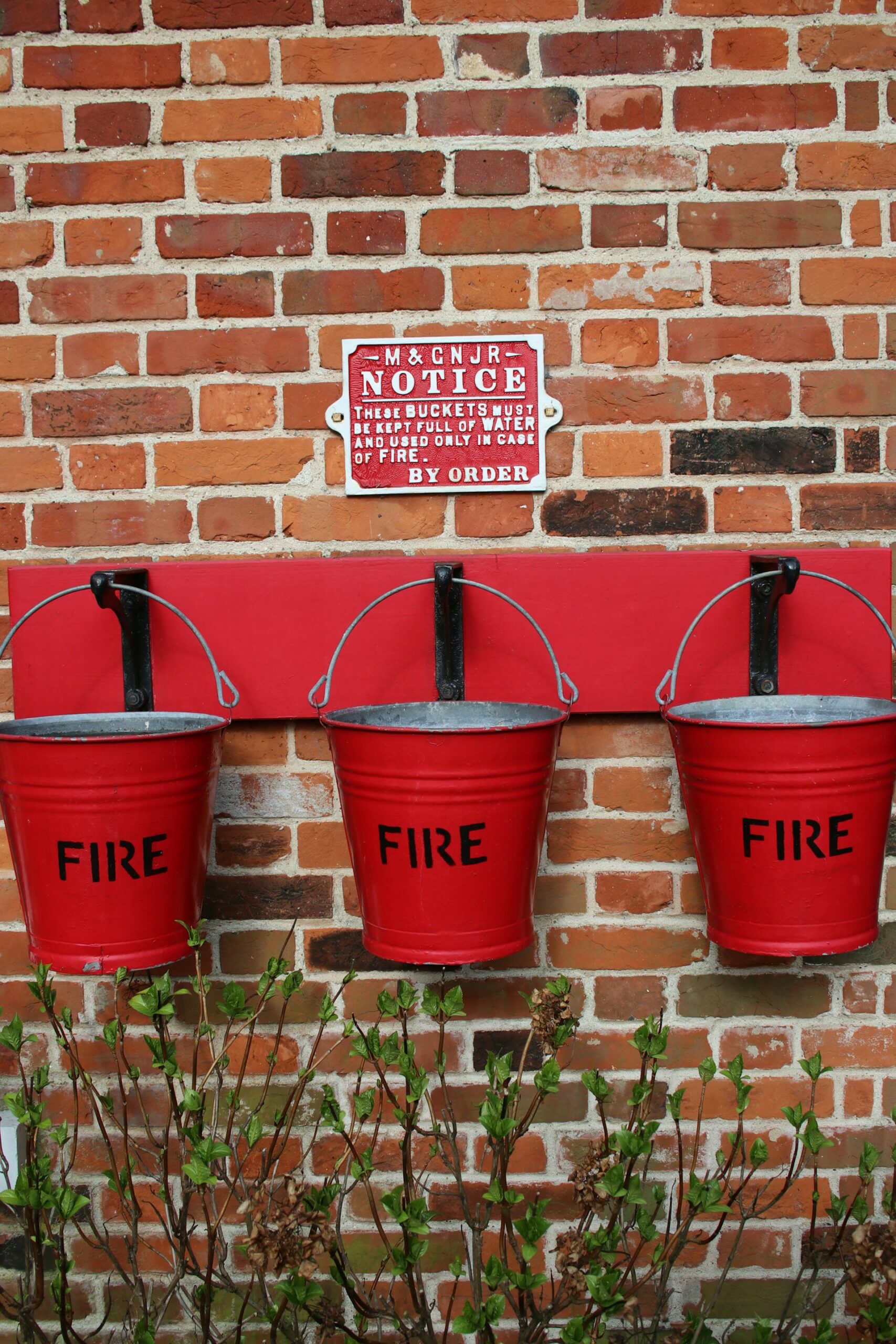
Here’s something you need to know: never, ever use water on a flammable liquid fire.
When water comes into contact with burning oil or fuel, it vaporises into steam. This spits out the burning liquid, intensifying the fire. Remember your school science lessons? Oil and water don’t mix. Water is denser than most flammable liquids, so it sinks beneath them, then rapidly turns to steam. This creates an explosive ball of flames that spreads the fire further.
Using water on a Class B fire isn’t just ineffective; it’s dangerous. It’s risky and can turn a manageable situation into a life-threatening emergency.
Choosing The Right Fire Extinguisher For Flammable Liquids
For tackling Class B fires safely, you’ve got three effective options. Each works differently. Understanding these differences helps you make the right choice for your environment.
Foam Extinguishers (Cream Label)
Foam extinguishers work by creating a barrier over the surface of the flammable liquid, cutting off its oxygen supply and cooling the fire. They’re effective for contained liquid fires: think of fuel in a container or a spill that hasn’t spread.
Foam provides lasting protection and can even be applied to liquids in tanks to shield them from ignition from other sources. However, they’re not suitable for free-flowing or “running” liquid fires.
CO2 Extinguishers (Black Label)
Carbon dioxide extinguishers displace oxygen, suffocating the fire. They’re brilliant because they leave no residue, making them ideal for areas with sensitive equipment. They’re also safe to use on electrical fires, making them a versatile choice.
One important note: the nozzle of a CO2 extinguisher becomes very cold during discharge and can cause frost burns. Never touch it with your bare hands. Always hold the extinguisher by the handle.
Dry powder extinguishers (blue label)
Powder extinguishers are multipurpose units that can tackle Class A, B and C fires. They’re effective for uncontained or “spill” fires where liquid is running.
However, they create visibility issues due to the fine powder cloud, and they don’t cool the fire. This means reignition is possible. They’re generally not recommended for indoor use unless necessary.
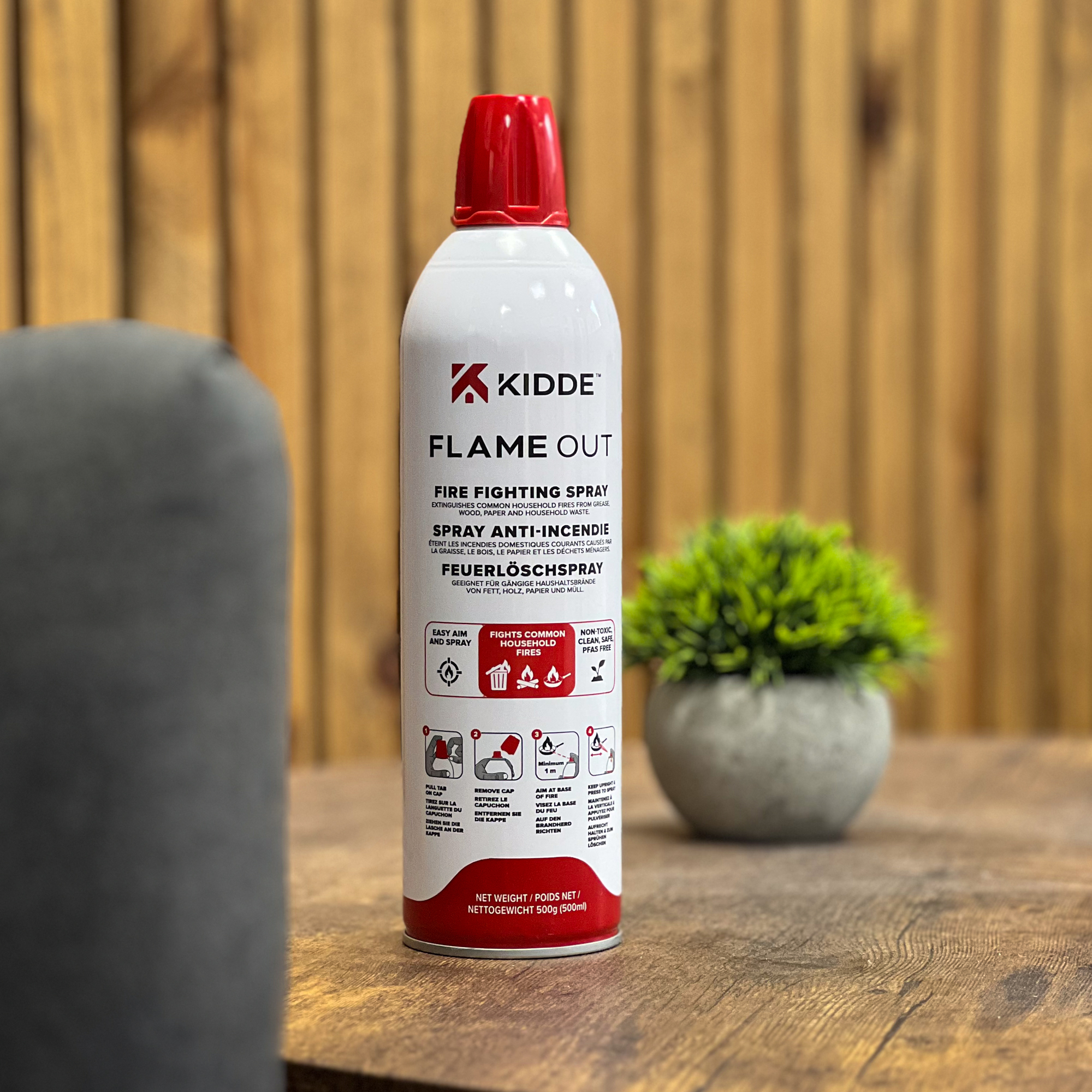
You can explore the full range of fire extinguishers suitable for your needs to ensure you’re appropriately protected.
How to Control a Flammable Liquid Fire: The PASS Technique
When using any fire extinguisher, the PASS technique is your essential guide: Pull, Aim, Squeeze, and Sweep. This method works for all extinguisher types and helps you remember the steps when you’re under stress.
Step 1: Pull The Safety Pin
Pull out the pin from the top of the extinguisher. This may require a slight twisting action as well as pulling. This safety pin prevents accidental discharge, so removing it activates the extinguisher and allows you to use the trigger.
Step 2: Aim at The Base
Aim the nozzle or horn of the extinguisher at the base of the flames, not at the fire itself. This is crucial because the base is where the fuel is burning. If you aim higher up at the fire, you’re wasting your extinguishing agent and won’t put it out effectively.
For flammable liquid fires, maintain a safe distance. Approximately two to three metres is a general guideline, though this may vary depending on the extinguisher type. This protects you from the heat and any potential splashing or spreading of the burning liquid.
Step 3: Squeeze The Handle
Firmly squeeze the trigger or handle to discharge the extinguishing agent, applying steady, even pressure to maintain a continuous, controlled flow. Don’t pump it or squeeze intermittently. You want a consistent stream.
Step 4: Sweep Across The Fire
Sweep the nozzle from side to side across the base of the fire, covering the entire burning area with the extinguishing agent. Continue this sweeping motion until the flames are fully extinguished, and don’t stop until the extinguisher is empty. This helps prevent reignition.
Note that with oil and fat fires, you should avoid the standard PASS technique as the force can spread the burning liquid. For cooking oil fires, a wet chemical extinguisher or fire blanket is more appropriate.

What You Need to Check Before You Fight The Fire
Before you even reach for an extinguisher, assess whether it’s safe to fight the fire. Here’s your mental checklist:
Only attempt to fight a flammable liquid fire if
- The fire is small and contained (no larger than a waste bin).
- You have the correct type of extinguisher for Class B fires.
- You have a clear escape route behind you with no smoke, flames or heat blocking your exit.
- The fire service has been called.
- You feel confident and have received proper training.
You must have an established evacuation path. Ensure that no fire, smoke or heat obstructs your escape route. Your safety always comes first.
If the fire is spreading rapidly, producing thick smoke, or if you have any doubt about your ability to extinguish it, evacuate and leave it to the professionals. There’s no shame in getting out. It’s the wise decision.
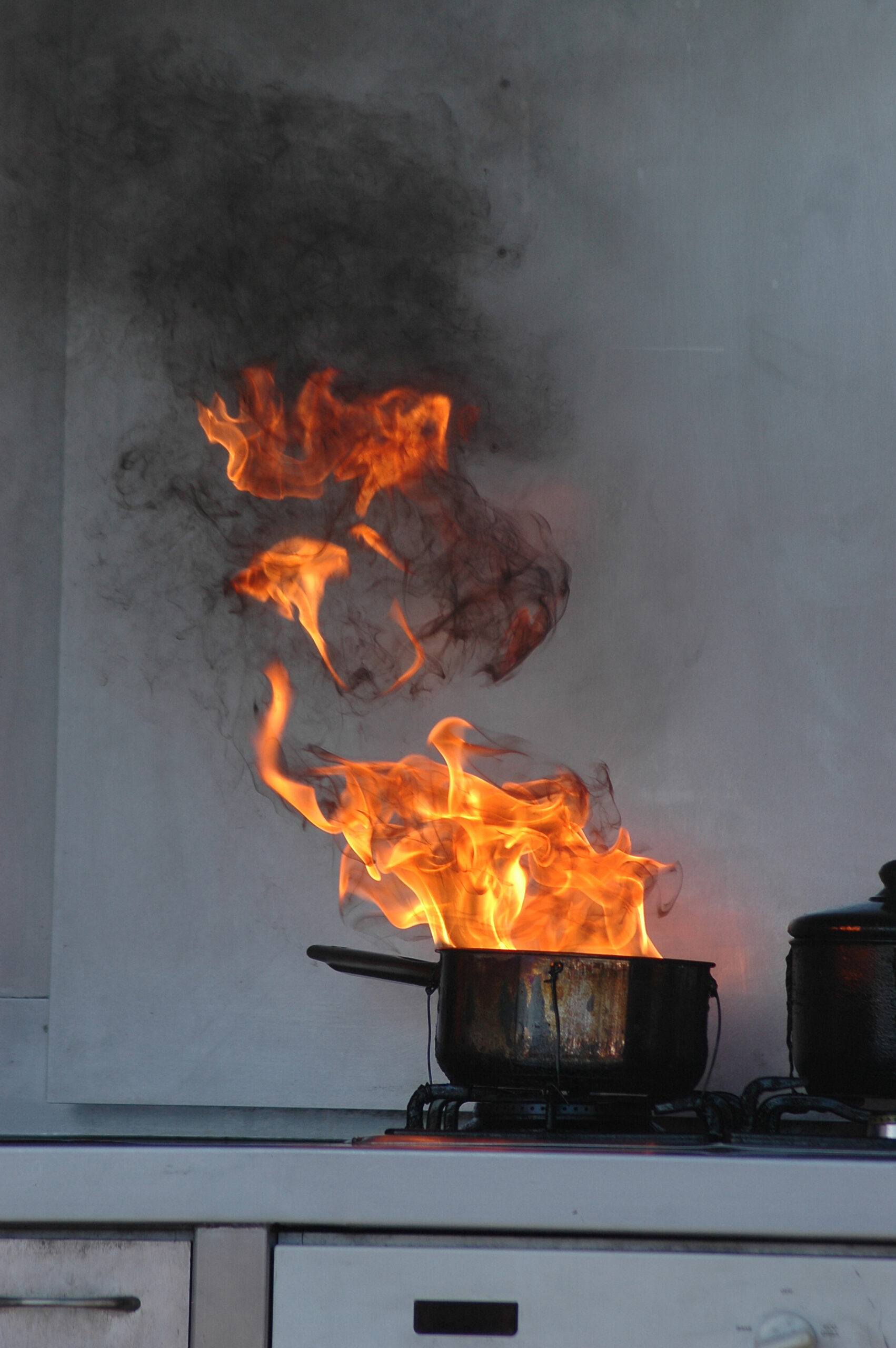
When Flammable Liquid Fires Are Too Dangerous to Fight
Fire extinguishers should only be used for small fires that you’re confident you can handle yourself. Some situations demand evacuation:
- The fire is larger than you are.
- Flames are spreading to other materials or areas.
- Thick smoke is filling the room.
- You can hear crackling or explosive sounds.
- The heat is intense, even from several metres away.
- Multiple containers of flammable liquids are nearby.
- You don’t have the correct type of extinguisher.
In these scenarios, sound the fire alarm, evacuate everyone, close doors behind you (but don’t lock them) and call 999 once you’re safely outside.
Preventing Flammable Liquid Fires in The First Place
Of course, the best way to control a flammable liquid fire is to prevent one from starting. Here’s how you can seriously reduce your risk:
Storage Matters
Store all flammable liquids safely in appropriate containers, well away from any ignition sources such as heaters, electrical equipment or open flames. Purpose-built flammable liquid storage cabinets create a temporary barrier between a potential fire and the contents, buying time for evacuation.
Control Ignition Sources
Keep flammable liquids away from sparks, hot surfaces, smoking areas and any equipment that could generate heat. In garages and workshops, this means proper separation and clear signage.
Ventilation is Vital
Flammable liquid vapours can accumulate in poorly ventilated spaces, creating an invisible fire hazard. Ensure adequate airflow wherever you store or use these materials.
Regular Inspections
Check containers for leaks, damage or deterioration. A small leak today could be a significant fire hazard tomorrow.
Proper Training
Everyone who handles flammable liquids should receive training on safe handling, storage and emergency response procedures.
Ensuring Your Fire Safety Equipment Is Ready
Having the correct fire extinguishers is only half the battle. They need to be adequately maintained and serviced so they work when you need them most. The Regulatory Reform (Fire Safety) Order 2005 requires fire safety equipment to be kept in good working order.
Professional fire extinguisher servicing ensures your equipment will function correctly in an emergency. Annual servicing checks pressure, examines seals, tests discharge mechanisms, and verifies that each extinguisher is suitable for the fire risks at its location.
Your Next Steps For Flammable Liquid Fire Safety
Controlling a flammable liquid fire safely requires the proper knowledge, the correct equipment and an honest assessment of the situation. Remember: foam, CO2, or dry powder extinguishers only, never water. Use the PASS technique, aim at the base and always prioritise your escape route.
But more importantly, invest in prevention. Proper storage, regular inspections and appropriate fire safety equipment create layers of protection that can stop fires before they start.
Need expert guidance on fire safety for your premises, or unsure which fire extinguishers you need? Our team is ready to help you today. Get in touch with us for personalised advice on protecting your property and people from flammable liquid fires.
All information correct at time of posting.