Wednesday 29th April 2026
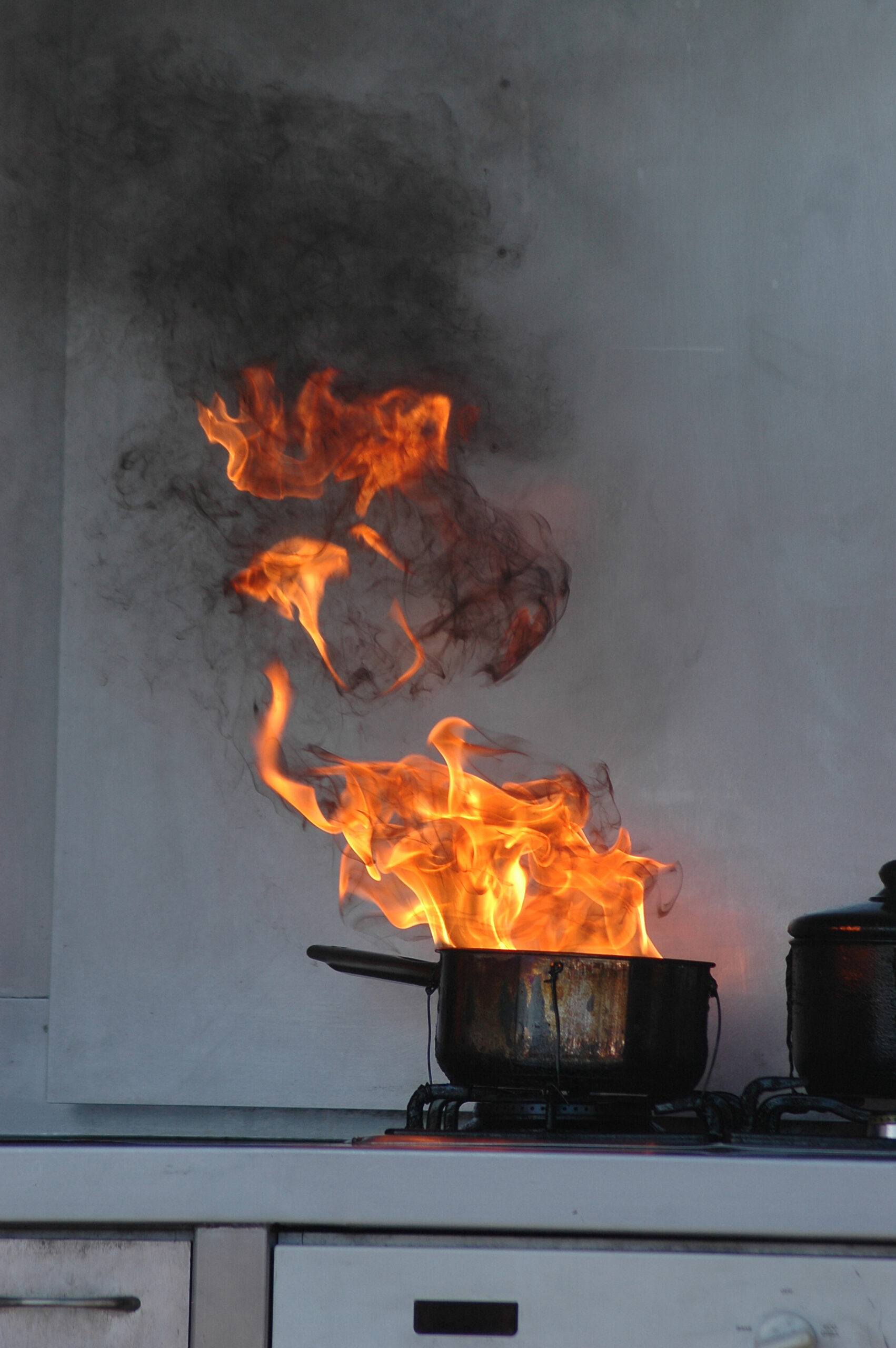
Protecting your home with a heat alarm is one of the simplest and most effective steps you can take to improve your kitchen fire safety. Kitchens are steamy, smoky places at the best of times — even just boiling the kettle or burning the toast can send a smoke alarm into a full meltdown. That’s where heat alarms come in, cutting out the false alarms without leaving you unprotected when it actually matters.
- What is a heat alarm?
- Where to put a heat alarm in the kitchen
- What temperature does a heat alarm go off?
- What does a heat alarm look like?
- Why is my heat alarm beeping?
- How to stop a heat alarm beeping
- How to turn off a heat alarm
- Are heat alarms a legal requirement?
What Is a Heat Alarm?
A heat alarm is a fire detection device that monitors temperature rather than smoke. Instead of reacting to particles in the air, it contains a thermistor that sits quietly waiting for the temperature in the room to climb above a certain threshold, or watching the rate at which it rises accelerate. When it does, the alarm sounds to warn you of a potential fire.
Think of it as the cooler-headed cousin of the smoke alarm. It won’t panic every time you burn your bagel, but it will absolutely let you know when something is genuinely wrong.
Heat alarms are particularly valuable in kitchens and garages, where smoke and fumes are a normal part of daily life. Fitted as part of a well-rounded home detection system alongside smoke alarms in hallways and living areas, they give you far better coverage overall.
Where to Put a Heat Alarm in the Kitchen
Placement really does matter here. Heat rises, so ceiling mounting is always best, ideally in the centre of the room. The general recommendation is to position your heat alarm at least 300mm away from walls and any light fittings or decorative features. Air doesn’t circulate well in corners and objects overhead can physically block heat from reaching the sensor.
If your kitchen has a sloped ceiling, measure vertically from the peak. The alarm can sit within 150mm of it, though you still want it as central as possible. Most manufacturers include clear positioning guidance in the manual, so it’s worth a quick read before you get the drill out. Alternatively, we’ve created a guide to the correct smoke alarm placement.
One thing worth knowing: heat alarms are designed for kitchens and garages specifically. Your hallways, landing, lounge and bedrooms are better served by optical smoke alarms, which are faster to detect the slow-smouldering fires most likely to happen in those rooms.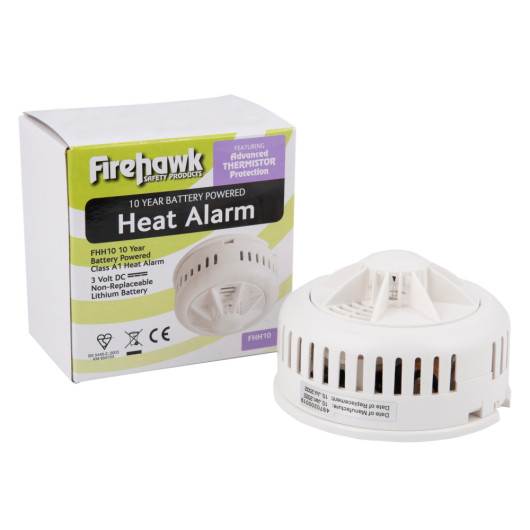
What Temperature Does a Heat Alarm Go Off?
Most heat alarms are set to trigger at 58°C. That sounds high, but normal cooking temperatures rarely push the ambient air in your kitchen above that level. The alarm is specifically calibrated to detect the kind of rapid, sustained heat rise that points to a real fire rather than enthusiastic stir-frying.
Some alarms also respond to a rapid rate of rise in temperature, so even if the absolute temperature hasn’t hit 58°C yet, a sudden dramatic spike can trigger the alarm. This dual-response approach gives you an extra layer of protection.
What Does a Heat Alarm Look Like?
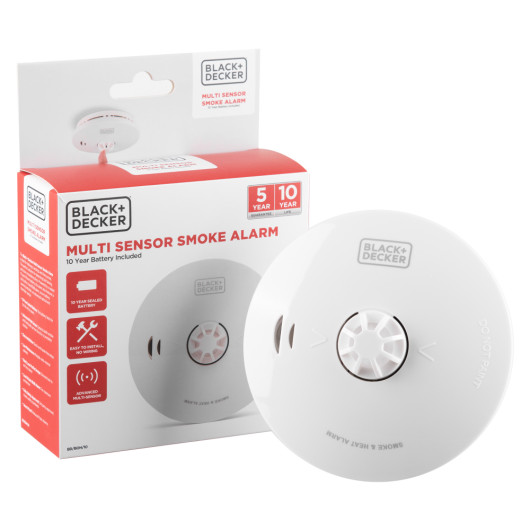
Heat alarms are generally round, white or off-white plastic discs, quite similar in appearance to a smoke alarm. They’re designed to mount on the ceiling and sit fairly flush once fitted. You won’t notice them much day-to-day, which is kind of the point.
The main thing to look for aesthetically (and practically) is the test button on the front or side, and a small LED indicator light that confirms the alarm is powered and working. If you’re buying a radio-interlinked heat alarm, it may be slightly larger to accommodate the wireless module, but it’s still a tidy, unobtrusive piece of kit.
Why Is My Heat Alarm Beeping?
There are a few reasons a heat alarm might start chirping or beeping, and most of them are easy to fix:
- Low battery: a regular short beep, usually every 30 to 60 seconds, almost always means the battery is running low. Replace it and the beeping should stop.
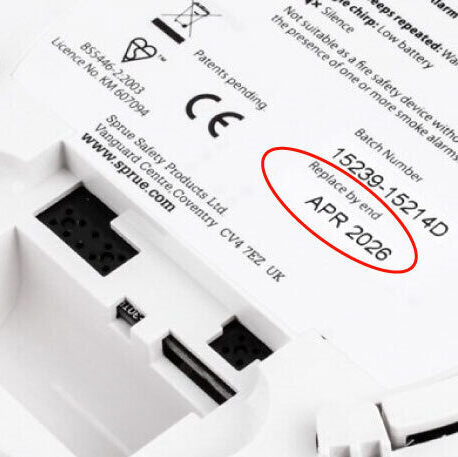
- End of life warning: many modern alarms have a lifespan of around 10 years. When they reach the end of it, they’ll let you know with a continuous chirping pattern. At that point, replacement is the answer rather than fiddling with the battery.
- Test mode: if someone pressed the test button recently, the alarm may have been triggered deliberately. Worth checking before you worry.
- Actual heat detection: if the alarm is sounding continuously and urgently, treat it as a real fire warning. Get everyone out and call 999.
If you’re consistently getting unexplained beeping and the battery is fine, it could indicate a fault in the unit. Contact the manufacturer or check with Safelincs’ customer service team for guidance.
How to Stop a Heat Alarm Beeping
If it’s a low battery chirp, the fix is simple: replace the battery with the correct type (usually a 9V PP3 or AA, but check your manual). Most alarms will stop within a minute or two of a fresh battery being fitted.
For a continuous alarm sound (the kind triggered by heat detection) pressing and holding the test/hush button on the unit should silence it temporarily if it’s a false alarm. Bear in mind this is only appropriate if you are completely certain there is no fire risk. Never silence an alarm without checking the room first.
If the alarm is at end of life and chirping intermittently, the only real solution is to replace the unit entirely.
How to Turn Off a Heat Alarm
Turning off a heat alarm temporarily is usually done by pressing and holding the test/hush button for around five to ten seconds. Some models require you to remove the battery or disconnect the mains supply to fully power them down.
If you’re replacing the unit or carrying out work nearby, check the manual for the correct shutdown procedure for your specific model. For mains-powered alarms, you’ll need to switch off the power at the fuse board before disconnecting.
A quick note: turning off your heat alarm isn’t something to do casually. Even in low-risk situations, an unmonitored kitchen is statistically where fires are most likely to start. If you’re carrying out renovations or there’s a reason to disable it short-term, make sure it’s back in service as soon as possible.
Are Heat Alarms a Legal Requirement?
In Scotland, the answer is a firm yes. Following the introduction of new fire safety legislation, all domestic properties in Scotland are now legally required to have a heat alarm fitted in the kitchen. These must also be interlinked with smoke alarms elsewhere in the property.
For the rest of the UK, the requirements vary depending on the type of property and any building regulations that applied when work was carried out. If heat alarms were fitted when you moved in, or if they’ve been specified as part of an extension or renovation, you’re obliged to keep them working.
For rental properties in England and Wales, landlords have a duty to ensure adequate fire detection is in place. While heat alarms in kitchens may not be explicitly mandated everywhere, they represent clear best practice and are widely recommended by fire services.
Protecting your home with a heat alarm in the kitchen works best as part of a complete home fire detection system. Pairing it with optical smoke alarms in hallways and sleeping areas gives you the best possible chance of detecting a fire early, wherever it starts. Think of it like a neighbourhood watch: each alarm is responsible for its own area, but they all work together to keep the whole home protected.
Safelincs offers a full range of interlinked smoke and heat alarm systems designed specifically for UK homes, with free expert advice if you’re not sure which setup suits your property. If you have any questions, please get in touch with our friendly team.
All information correct at time of publication. For the latest legal
All information correct at time of posting.