How to Use Fire Extinguishers
Fire extinguishers come in several types, each designed to tackle specific classes of fire. Using the wrong extinguisher can make a fire worse, so it is important to match the extinguisher to the hazard and apply it correctly.
Always check the symbols on the front of the extinguisher to confirm which fire classes it is suitable for. Only ever attempt to tackle small fires. If the fire has taken hold, do not try to fight it; evacuate immediately, warn others, and call the fire and rescue service.
If you do use an extinguisher, keep a safe distance and follow the step-by-step instructions shown in the guides below.
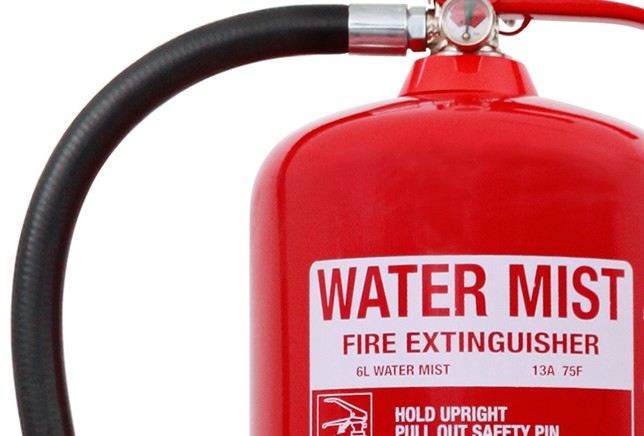
How to use a Water Mist Fire Extinguisher
Water mist extinguishers are versatile units suitable for Class A, B, C, and F fires and also for use on live electrical equipment up to 1000 V.
- Pull the safety pin to break the tamper seal.
- Squeeze the lever to start discharging the extinguisher.
- Aim the nozzle according to the fire type:
- Solid materials: Aim at the base of the flames, sweeping side to side.
- Flammable liquids: Aim at the base, moving steadily across the fire.
- Burning gas: Turn off the supply if safe. Direct mist at the flare to extinguish.
- Electrical equipment: Switch off power if possible. Keep at least 1 m away and aim at the base.
- Once the fire is extinguished, carefully check for re-ignition.
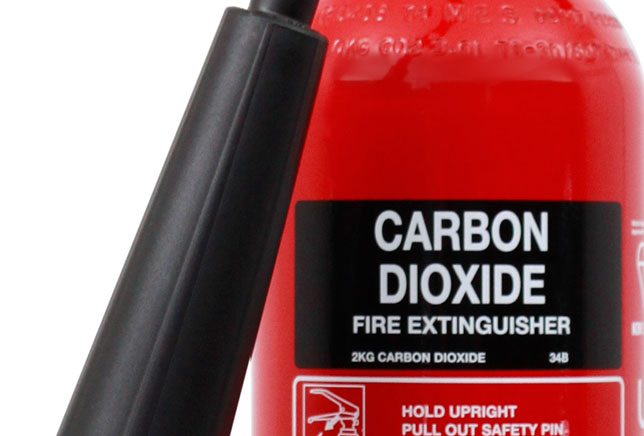
How to use a CO2 Fire Extinguisher
CO2 extinguishers are mainly used for live electrical fires and Class B fires.
Please note: Never discharge CO2 extinguishers in small, enclosed spaces.
- Pull the safety pin to break the tamper seal.
- Do not hold the horn unless it is a frost-free horn; it becomes extremely cold during use and can cause severe cold burns.
- Squeeze the lever to discharge the extinguisher.
- Aim the horn according to the fire type:
- Flammable liquids: Aim at the base, sweeping carefully to avoid splashing.
- Electrical equipment: Switch off power if safe. Direct the horn straight at the fire.
- CO2 extinguishers have a very short discharge time. Check carefully for re-ignition.
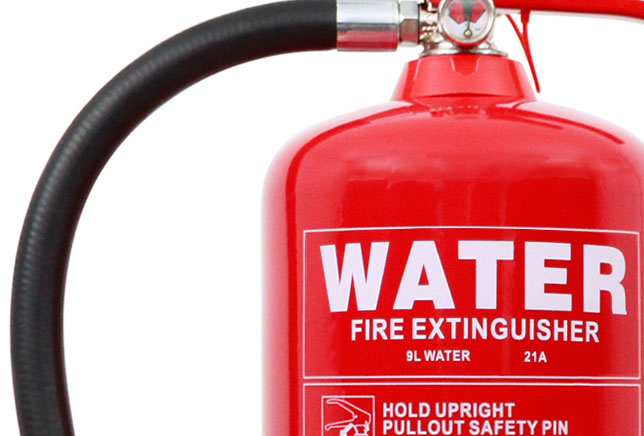
How to use a Water Fire Extinguisher
Water extinguishers are designed for Class A fires involving solid combustible materials such as wood, paper, straw, textiles, and fabric.
Please note: Never use standard water extinguishers on live electrical equipment.
- Check there are no live electrical risks before using the extinguisher.
- Pull the safety pin to break the tamper seal.
- Squeeze the lever to discharge.
- Aim the nozzle according to fire spread:
- Horizontal fires: Aim at the base, sweeping across the flames.
- Vertical fires: Start at the base and move upwards following the fire’s path.
- Move closer as the fire reduces.
- Focus on hot spots to prevent re-ignition.
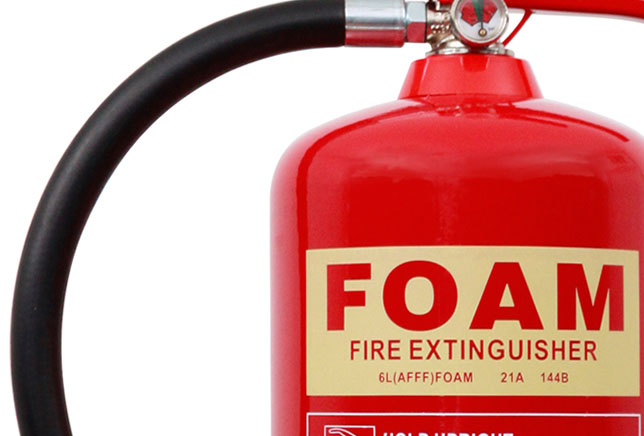
How to use a Foam Fire Extinguisher
Foam extinguishers are suitable for Class A and B fires.
Please note: Some foam extinguishers are safe for use on electrical equipment if di-electrically tested (35 kV).
- Pull the safety pin to break the seal.
- Squeeze the lever to discharge.
- Aim the nozzle according to fire type:
- Flammable liquids: Aim at a nearby surface so foam flows over the liquid; do not spray directly onto it.
- Electrical fires: Use only if certified for electrical safety, keeping a 1 m distance.
- Solid combustibles: Aim at the base, sweeping steadily across the fire.
- Ensure the foam blanket fully covers the fire to prevent re-ignition.
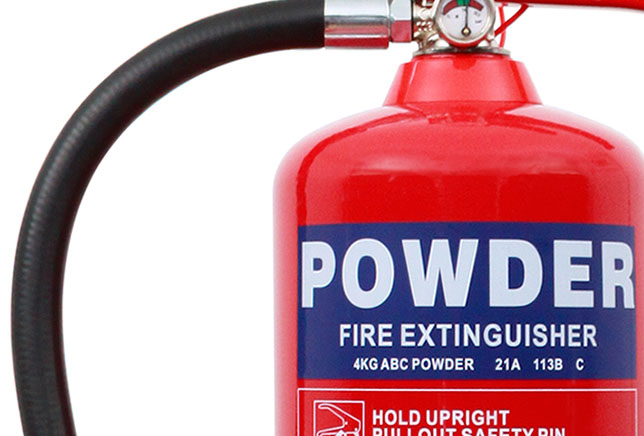
How to use a Powder Fire Extinguisher
Powder extinguishers can be used on Class A, B, and C fires, and also on electrical equipment.
Please note: The powder can reduce visibility and may cause breathing issues in enclosed spaces.
- Pull the safety pin to break the tamper seal.
- Squeeze the lever to discharge.
- Aim the nozzle according to fire type:
- Solid materials: Aim at the base, sweeping across the fire.
- Spilled liquids: Aim at the near edge, sweeping the flames towards the far edge.
- Flowing liquids: Direct at the base and sweep upwards until flames are out.
- Burning gas: Shut off the supply if safe. Direct powder at the flare.
- Electrical equipment: Switch off power if possible. Aim directly at the fire.
- Scan carefully for re-ignition once the fire appears out.
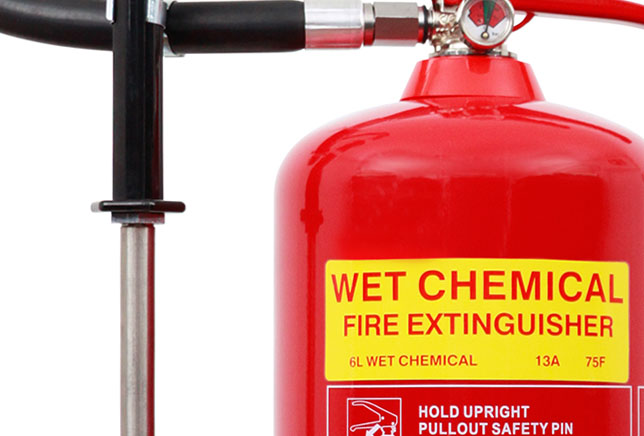
How to use a Wet Chemical Fire Extinguisher
Wet chemical extinguishers are designed for Class F fires involving flammable cooking oils such as deep fat fryers.
Please note: Although some wet chemical extinguishers have a Class A fire rating, their primary use is for Class F.
- Turn off the heat source if safe.
- Pull the safety pin and hold the lance at arm’s length.
- Squeeze the lever slowly to discharge.
- Apply the fine spray in slow, circular movements so the chemical falls gently onto the fire.
- Discharge the full contents. The agent forms a foam blanket, cutting off oxygen and cooling the oils.
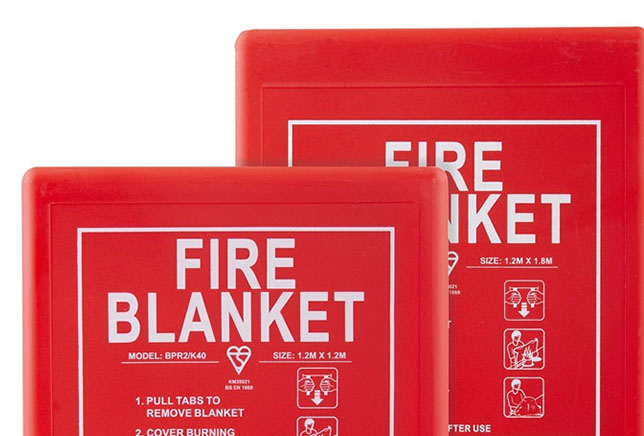
How to properly and safely use a Fire Blanket
Fire blankets are used on cooking oil fires or to smother flames on a person’s clothing.
Cooking oil fires
- Turn off the heat source if safe. Never move the burning container.
- Pull the tapes to release the blanket.
- Hold the blanket in a shield position and protect your hands by wrapping the edges.
- Place the blanket gently over the container to smother the fire.
- Leave the container covered until it has cooled completely.
Clothing fires
- Pull the tapes to release the blanket.
- Hold it in a shield position with hands protected.
- Wrap the blanket around the person to smother the flames.
Our articles are reviewed regularly. However, any changes made to standards or legislation following the review date will not have been considered. Please note that we provide abridged, easy-to-understand guidance. To make detailed decisions about your fire safety provisions, you might require further advice or need to consult the full standards and legislation.
Doc: 277 | Last Updated at: 2025-08-27 12:58:32