All Fire Extinguishers
Fire extinguishers are essential safety devices that can mean the difference between a minor incident and a devastating blaze. But with different fire extinguishers designed for specific fire classes, choosing the proper extinguisher for your property isn't always straightforward. Understanding the various types available will help you make informed decisions about fire safety.
Read More
The main types of fire extinguishers
There are five primary types of fire extinguishers, each designed to effectively tackle specific fire classes. Water extinguishers are most effective on Class A fires, which involve ordinary combustibles such as wood and paper. Foam extinguishers handle Class A fires, although not all of them are suitable for Class B fires. Dry powder extinguishers offer the broadest coverage, ideal for Class A, B, and C fires. Carbon dioxide (CO2) extinguishers excel in extinguishing electrical fires and flammable liquids, leaving no residue. Wet chemical extinguishers are engineered explicitly for Class F fires involving cooking oils and fats.
Choosing the right fire extinguisher type
Selecting the appropriate extinguisher depends on your specific fire risks. Consider what materials are present in your environment. Offices typically need water, water mist or foam extinguishers for paper and electrical equipment. Kitchens require wet chemical extinguishers for cooking fires. Garages and workshops benefit from dry powder extinguishers due to the presence of flammable liquids and electrical equipment. Industrial settings often need multiple types to cover various hazards.
Are there fire extinguishers that work on multiple fire classes?
Yes, several types of extinguishers can handle multiple fire classes. Dry powder extinguishers are remarkably versatile and practical on Class A, B, and C fires. This makes them popular for vehicles and mixed-risk environments. Some foam extinguishers are not suitable for class B fires and almost all are dielectrically tested and so are suitable for use on fires involving electrical equipment. However, specialist extinguishers, such as wet chemical for cooking fires and CO2 for electrical equipment, often provide better-targeted protection.
The difference between portable and wheeled fire extinguishers
Portable extinguishers are designed for handheld use, typically ranging from 1kg to 9kg. They're perfect for immediate response to small fires. Wheeled extinguishers are larger units, typically ranging from 25kg to 50kg, and are mounted on wheels for enhanced mobility. These provide greater fire-fighting capacity and longer discharge times, making them ideal for industrial premises, car parks, and areas with higher fire loads.
Do different fire extinguishers require different maintenance?
All types of fire extinguishers require regular maintenance, but the specific requirements vary slightly. Water and foam extinguishers need annual servicing and pressure testing every five years. Dry powder extinguishers require similar maintenance schedules. CO2 extinguishers need weight checks and valve inspections. Wet chemical extinguishers need particular attention to seals and pressure gauges. Professional servicing ensures all types remain effective when required.
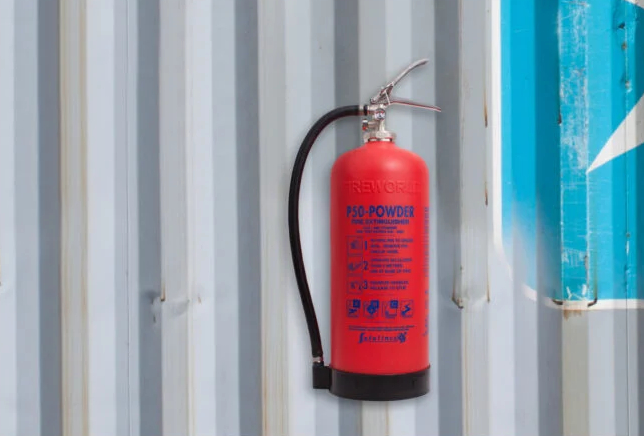
P50 fire extinguishers don't require any annual servicing (just a quick visual inspection by a member of staff).
Can I use any fire extinguisher on electrical fires?
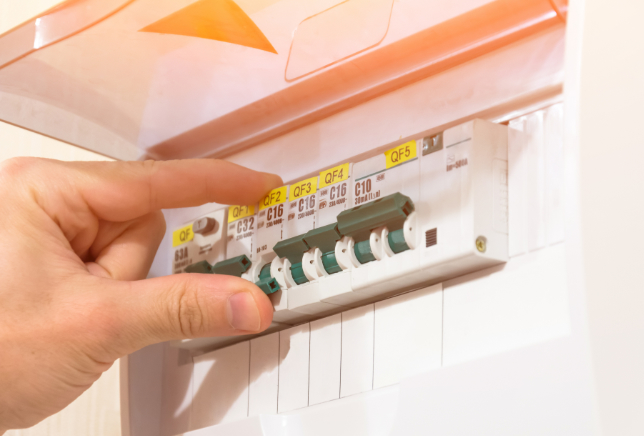
No, only specific types are safe for electrical fires. CO2 extinguishers are ideal because they don't conduct electricity and leave no residue. Dry powder extinguishers can also be used on electrical fires, though they create a mess. Water-based extinguishers such as water, water mist and foam can be used on fires involving live electrical equipment as long as they have been dielectrically tested in accordance with BS EN3. Always isolate power where possible before utilising any extinguisher. For detailed guidance on selecting the right extinguisher for electrical equipment, consult our comprehensive fire extinguisher types guide.
Ready to protect your property with the proper fire extinguisher? Browse our comprehensive range of fire extinguishers in the UK, from portable units to wheeled models, all backed by expert advice and professional installation services. Understanding which fire extinguisher types are safe for electrical equipment is crucial for comprehensive fire safety planning. Contact our fire safety specialists today for personalised recommendations based on your specific needs.
50kg Powder Wheeled Fire Extinguisher
See Description...
- Extinguisher Rating: A, IVB, & C
- Fire Type: Class A, B, C, & Electrical
- Warranty: 2 Years
- Certified to EN 1866-1 standards, CE marked, & MED Marine approval
£809.95 inc VAT
£674.96 ex VAT
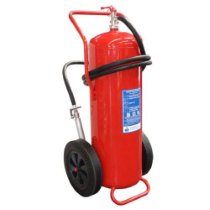
100kg Powder Wheeled Fire Extinguisher
See Description...
- Extinguisher Rating: A, IVB, C
- Fire Type: Class, A, B, C, & Electrical
- Warranty: 5 Years
- Certified to EN 1866-1, MED Approved, & CE marked
£1,786.88 inc VAT
£1,489.07 ex VAT
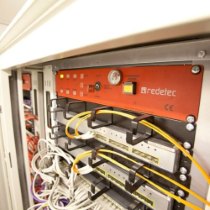
Redetec Novec 1230 Rack Mounted Automatic Fire Suppression Unit
See Description...
- Suitable for electronic equipment such as server rooms
- Effective on Class A, B, C, F, and Electrical fires
- Size variations: 1.5m³ / 3.0m³
- Environmentally friendly Novec 1230 extinguishing gas
From: £3,308.69 inc VAT
£2,757.24 ex VAT
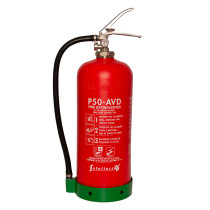
P50 6ltr Lithium-Ion AVD Fire Extinguisher - Service-Free
See Description...
Innovative P50 AVD media cools and contains lithium-ion batteries fires and any resulting class A fires. Also suitable for use on live electrical equipment up to 1000 Volts.
- Ideal for anywhere lithium-ion batteries are charged or stored.
- Save over 50% on your extinguisher servicing and maintenance costs
- Suitable for use on lithium-ion batteries, Class A fires, and live electrical equipment up to 1000 Volts
- 10-year guarantee and a 20-year lifespan
- CE marked and Kitemarked to BS EN3 by BSI
From: £370.01 inc VAT
£308.34 ex VAT
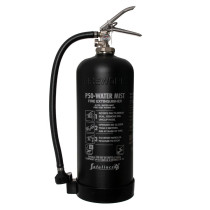
P50 6ltr Water Mist Fire Extinguisher - Service Free - Black
See Description...
- Ideal for event venues, offices, and hotels
- Extinguisher Rating: 13A & Electrical
- Safe for use on live electrical equipment
- A modern black finish to suit modern environments
£237.64 inc VAT
£198.03 ex VAT
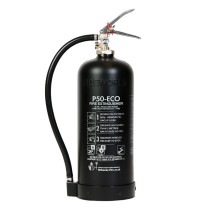
P50 6ltr Fluorine-Free B-Foam Fire Extinguisher - Service-Free - Black
See Description...
- Ideal for garages, farms, chemical storage, and event venues
- Extinguisher Rating: 27A, 144B, 25F, and Electrical
- Safe for use on live electrical equipment up to 1000V
- Black finish to suit modern interiors
£240.22 inc VAT
£200.18 ex VAT

UltraGuard Personal Fire Protection System
See Description...
- Suitable for any home environment
- Effective on typical home fires – Class A
- Your own personal firefighter in your own home
- Minimal damage to belongings and property, when activated
Please contact us to discuss your requirements
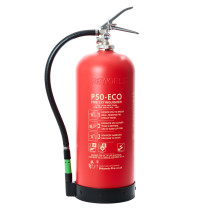
P50 9ltr Fluorine-Free B-Foam Fire Extinguisher - Service-Free
See Description...
- Extinguisher Rating: 43A, 183B
- Fire Type: Class A, B, & Electrical
- Warranty: 10 Years
- Certified to BS EN 3 & CE marked
£244.64 inc VAT
£203.87 ex VAT
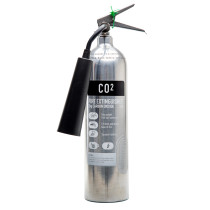
Stainless Steel 2kg CO2 Fire Extinguisher - Contempo
See Description...
- Extinguisher Rating: 34B
- Fire Type: Class B, Electrical
- Warranty: 5 Years
- CE Marked
£64.99 inc VAT
£54.16 ex VAT
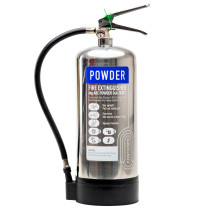
Stainless Steel 6kg Powder Fire Extinguisher - Contempo
See Description...
- Extinguisher Rating: 34A, 233B, C
- Fire Type: Class A, B, & C
- Warranty: 5 Years
- CE Marked
£115.99 inc VAT
£96.66 ex VAT
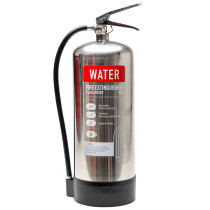
Stainless Steel 9ltr Water Fire Extinguisher - Contempo
See Description...
- Fire Rating: 21A
- Fire Type: Class A
- Warranty: 5 Years
- UKCA & CE Approved
£85.99 inc VAT
£71.66 ex VAT
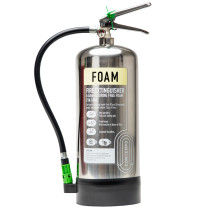
Stainless Steel 6ltr Fluorine-Free Foam Fire Extinguisher - Contempo
See Description...
- Extinguisher Rating: 21A, 144B
- Fire Type: Class A, B
- Warranty: 5 Years
- UKCA and CE Marked
£86.99 inc VAT
£72.49 ex VAT
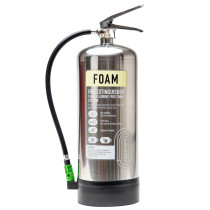
Stainless Steel 9ltr Fluorine-Free Foam Fire Extinguisher - Contempo
See Description...
- Extinguisher Rating: 27A, 183B
- Fire Type: Class A, B
- Warranty: 5 Years
- UKCA and CE Marked
£119.99 inc VAT
£99.99 ex VAT
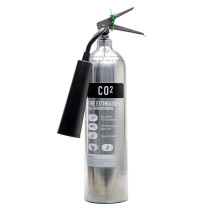
Stainless Steel 5kg CO2 Fire Extinguisher - Contempo
See Description...
- Extinguisher Rating: 55B
- Fire Type: Class B, Electrical
- Warranty: 5 Years
- CE Marked
£109.99 inc VAT
£91.66 ex VAT
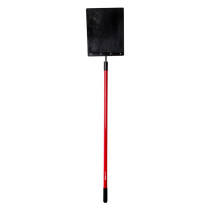
Firechief Wild Fire Beater
See Description...
- Suitable for grass fires in open areas
- Beater constructed from industrial grade rubber
- Robust fibreglass handle
This product is currently unavailable
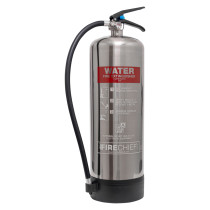
Stainless Steel 9ltr Water Fire Extinguisher
See Description...
- Extinguisher Rating: 21A
- Fire Type: Class A
- Warranty: 5 Years
- CE marked
Discontinued
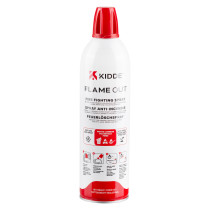
Kidde Flame Out Compact Home Fire Extinguisher 500ml
See Description...
- Ideal for use at home, in caravans or when camping
- Effective on all common household fires including frying pans, waste bins and paper
- Safe and environmentally friendly
- Lightweight and easy to use aerosol design
This product is currently unavailable
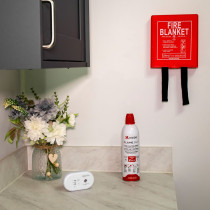
Caravan Safety Essentials Kit
See Description...
- Ideal addition when packing for your camping or caravanning trip
- Includes a Kidde FlameOut Extinguisher, Carbon Monoxide Alarm, and a Fire Blanket
- Extinguisher and Fire Blanket are effective on all common fires
- CO alarm warns you if dangerous levels are detected
This product is currently unavailable