Free Delivery on 100s of Products

Live Chat - Online Instant help & advice

Trade Discounts & exclusive pricing

Secure Payments with our fast checkout

0% Credit Available Apply for an account

Extinguishers & Equipment

Fire extinguishers are your first line of defence against fire emergencies. They can mean the difference between a minor incident and a devastating blaze that destroys property and threatens lives. At Safelincs, we stock a comprehensive range of fire extinguisher equipment designed to quickly and effectively tackle various types of fires.

Read More

From water and foam extinguishers for Class A fires to CO2 and dry powder variants for electrical and flammable liquid fires, our selection covers every scenario you might face.

What types of fire extinguisher equipment do I need?

Fire extinguishers are specified based on the fire risk assessment. We offer a fire extinguisher site survey to specify extinguishers at the customers’ site, giving them peace of mind that they have the correct coverage for their risks.

Water and water mist extinguishers are most effective on fires involving wood, paper, and fabric. Foam extinguishers are effective against both solid materials and flammable liquids. CO2 extinguishers are perfect for fires involving large quantities of electrical equipment because they leave no residue. Dry powder extinguishers are ideal for use outside and offer the most versatility, effectively tackling almost all fire types except those involving cooking oils.

We also stock specialist extinguishers for specific risks. Wet chemical extinguishers are specifically designed for use in commercial kitchens and extinguishing cooking oil fires. Clean agent extinguishers protect sensitive electronic equipment without causing damage.

How do I choose the right fire extinguisher size?

Fire extinguisher sizes are measured by their fire rating, which indicates the size of fire they can extinguish. A 3A rating means the extinguisher can tackle a fire equivalent to 3 square metres of burning wood. For offices and small businesses, 6-litre water, water mist or foam extinguishers typically provide adequate coverage. Premises with larger floor areas need 9-litre extinguishers or multiple smaller units.

The number of extinguishers you need depends on your floor area and travel distance. You should be able to reach an extinguisher within 30 metres of any point in your building.

Where should fire extinguishers be positioned?

Fire extinguishers must be easily accessible and visible. Mount them on walls or place them in stands near fire exits, stairwells, and high-risk areas. Avoid hiding them behind doors or furniture where they might be missed during an emergency.

Different extinguisher types should be positioned based on the fire risks in the vicinity. Place CO2 extinguishers near electrical equipment and server rooms. Keep foam extinguishers with a class B rating in areas where flammable liquids are stored and used. Water and water mist extinguishers are effective in offices and other general areas with paper and wooden furnishings.

How often do fire extinguishers need servicing?

Fire extinguishers require annual servicing by a competent person to ensure they remain in working order. This involves checking the pressure gauge, examining the body for damage, and testing the discharge mechanism. Some extinguishers also need internal inspection and refilling every five years.

We provide comprehensive maintenance services to ensure your extinguishers comply with the legal requirement to be fully operational and ready for use at all times. Our qualified engineers can service all types of extinguishers and provide the necessary paperwork for insurance and regulatory compliance.

What fire safety equipment complements extinguishers?

Fire extinguishers are most effective when used as part of a comprehensive fire safety system. Fire blankets offer an alternative method for extinguishing small fires, particularly in the kitchen.

Fire alarms (in commercial premises) or smoke alarms (which are largely used in domestic settings) provide early warning of a fire, allowing you to use extinguishers before the fire spreads.

Emergency lighting ensures you can locate extinguishers during power outages. Fire exit signs guide people to safety, reducing panic that might prevent effective use of an extinguisher. Spill kits help manage fuel and chemical leaks before they become fire hazards.

Don't leave fire safety to chance. Browse our full range of fire suppression equipment today, and protect what matters most to you.
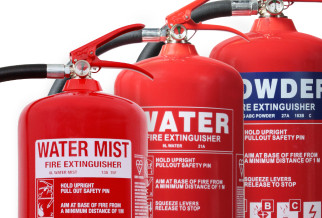
A group of fire extinguishers

Fire Extinguishers

Fire extinguishers from leading brands with long warranties, Kitemark & BAFE approval.
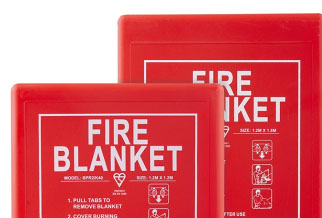
A red fire blanket

Fire Blankets

Effective on cooking pan, waste bin or clothing fires, fire blankets are ideal for home or workplace.
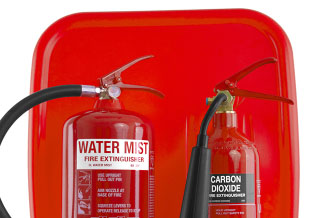
2 red fire extinguishers on a red stand

Fire Extinguisher Storage

Protective cabinets, covers, stands and boxes to safely store fire extinguishers.
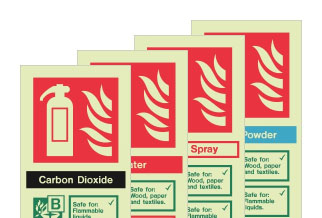
A group of fire extinguishers ID signs

Fire Extinguisher ID Signs

A range of ID signs to indicate the type of fire extinguisher installed, their capabilities & their location.
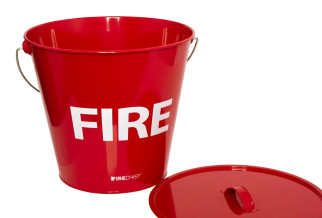
A red fire bucket with the word

Fire Buckets

Durable plastic and metal fire buckets for storing sand or water in case fire breaks out.
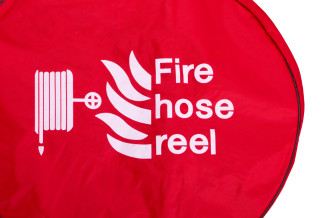
A red fire hose reel cover with a white logo and text

Fire Hose Reels & Cabinets

Choose from fixed or hinged fire hose reels in manual or automatic, plus covers and cabinets.
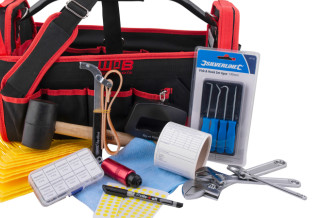
A service engineer kit containing all the items and engineers needs

Servicing Tools

Professional fire extinguisher servicing tools and equipment for extinguisher technicians.

FAQs

FAQs (8)

Must an extinguisher be in a cabinet or on a stand to be able to fit the Mini Theft Stopper?

The Mini Theft Stopper can be used with or without a bracket / cabinet. Supplied with a steel clip, the extinguisher pin can be either routed through it and held in place with the extinguisher seal or placed underneath the extinguisher. The alarm is activated upon the seal being broken or the extinguisher being lifted depending on its setup.

How do water fire extinguishers work?

Water fire extinguishers work by cooling the burning material below its ignition temperature. When you discharge a water extinguisher, it soaks the fire and surrounding materials, removing heat rapidly.

The water also creates steam, which helps displace oxygen around the fire. This combination of cooling and oxygen displacement stops the fire from continuing to burn.

Water extinguishers are brilliant at preventing reignition because they thoroughly cool the materials. However, they only work on Class A fires, which involve ordinary combustible materials such as wood, paper, and fabric.

Do I need different extinguishers for indoor and outdoor use?

Yes, location affects which extinguisher works best. Powder extinguishers are ideal for outdoor use because wind doesn't affect their performance as much as foam or water.

Indoor environments usually use foam or water extinguishers because they create less mess and don't impair visibility like powder can. Powder extinguishers indoors can make evacuation difficult.

CO2 extinguishers work well indoors, but be careful in confined spaces where the gas can displace oxygen and cause breathing difficulties.

P50 service-free extinguishers are ideal for outdoor use as they do not corrode, unlike traditional steel extinguishers. Where steel extinguishers would require protection from the elements if stored outdoors, P50 extinguishers can be left exposed with no danger of deterioration.

What size fire extinguisher do I need?

Extinguisher size depends on the fire risk and the area you're protecting. Larger extinguishers have higher fire ratings and longer discharge times.

For offices, a 6ltr water mist extinguisher is ideal, and for homes a 1.4ltr water mist extinguisher will be sufficient for most common fire risks. Industrial settings might need 9-litre water extinguishers or 5kg CO2 units.

Vehicle extinguishers are much smaller - typically 1-2kg powder extinguishers that fit in a limited space. The key is having enough extinguishing agent to tackle the expected fire size

What type of fire extinguisher is required for my building?

The type depends on the fire risks in your premises. Most buildings need water or water mist extinguishers for ordinary fires involving wood, paper, and fabric (Class A fires).

Water mist fire extinguishers will cover electrical equipment in offices (CO2 is only recommended for areas with a large quantity of sensitive electrical equipment, like a server room). Kitchens with deep fat fryers need wet chemical extinguishers for cooking oil fires (Class F fires).

A fire risk assessment will identify your specific needs and requirements. We recommend water mist extinguishers for offices as they cover class A and electrical equipment.

What's the difference between water, foam, and CO2 extinguishers?

Water extinguishers are effective on ordinary fires, such as those caused by wood, paper, and fabric. They cool the fire and stop it from reigniting.

Foam extinguishers smother the fire, creating a barrier to prevent reignition.

CO2 extinguishers are effective against electrical fires and flammable liquids. They don't leave residue and won't damage sensitive equipment. However, they don't cool the fire, so reignition is possible.

For those looking for low-maintenance options, consider our P50 service-free fire extinguishers - an eco-friendly solution that reduces ongoing maintenance costs.

Which types of fire extinguisher should you use on live electrical equipment?

CO2 and water mist extinguishers are both suitable for use on live electrical equipment. Standard water and foam extinguishers must never be used near live electrics due to the risk of electric shock. CO2 is the preferred choice for server rooms and areas with a high concentration of sensitive electronics. Water mist suits general office environments.

What fire extinguisher for electrical equipment?

CO2 and water mist extinguishers are the safest choices for electrical equipment fires. CO2 leaves no residue, making it ideal for server rooms and sensitive electronics. Water mist is recommended for offices with general electrical equipment such as computers and monitors. Avoid using water or foam extinguishers near live electrics.