Passive Fire Protection
Passive fire protection forms a critical part of your building's fire safety strategy. Unlike active systems such as fire alarms or extinguishers, it operates continuously without human intervention to contain and slow the spread of fire and smoke.
Read More
What Is Passive Fire Protection?
It's the use of fire-resistant materials and building features that protect your structure's integrity. These solutions compartmentalise fire, seal gaps and protect areas at risk. Our range covers intumescent seals, fire-resistant sealants, penetration protection products and fire door hardware.
Essential Passive Fire Protection Products
You'll find products designed for specific applications:
- Penetration protection seals pipes, cables and ductwork passing through walls and floors.
- Fire door protection maintains fire door integrity with seals, closers and hardware.
- Intumescent products expand in heat, sealing gaps and preventing fire spread.
- Fire retardant sprays provide flame-resistant coatings.
Combined with fire extinguishers and active fire safety equipment, passive fire protection creates complete building fire safety.
Get Expert Passive Fire Protection Advice
We supply passive fire protection products that comply with UK fire safety regulations. Upgrading fire doors through our fire door services or protecting cable penetrations? Our team can help you choose the right products. Contact us for guidance on passive fire protection solutions for your building.
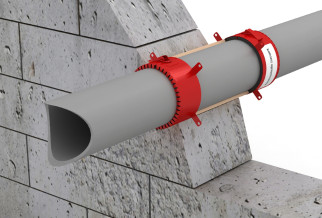
Intumescent Fire Collars & Sleeves
Intumescent protection that will swell to stop fire spreading through gaps around pipes or electrical services. Maintains fire compartmentation.
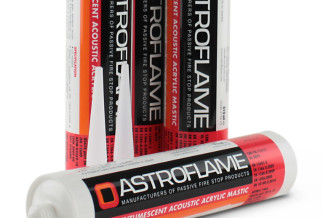
Intumescent Sealants & Fire Rated Foams
Intumescent sealants and foams are used to fill voids or seal voids or penetrations whilst ensuring that fire integrity is maintained.
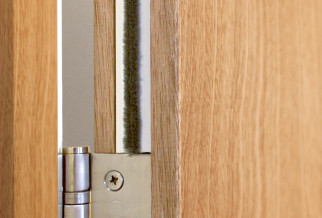
Intumescent Fire Door Seals
Rebated and surface mounted fire and smoke seals for fire doors. For 30 or 60 minute protection on single and double doors.
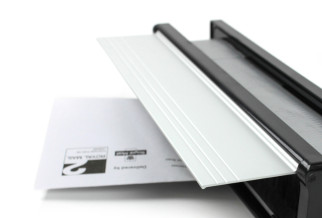
Anti-Arson Letterboxes
Eliminate the threat of arson with out range of anti-arson letterboxes, fireproof mail bags and letterbox blocking products.
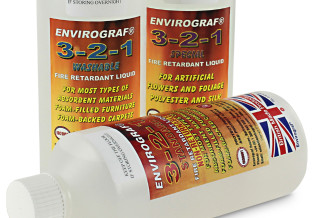
Fire Retardant Sprays
Fire retardant sprays can be used on a range of materials giving them protection from open flames and catching fire.
What is Passive Fire Protection?
Passive fire protection (PFP) is a component or system of components that are installed within a premises to contain or slow the spread of fire and smoke throughout the building. The products remain dormant whilst under normal conditions and react to hot temperatures, such as those generated by a fire, which causes the material within PFP products to expand. The expansion of this material allows PFP products to fill holes and penetrations (created for running pipes or wiring) through floors and walls to ensure they remain compartmentalised.
Unlike active fire protection such as extinguishers or sprinklers, which may require activation from an external source or manual human intervention, passive fire protection products do not. The materials used in many PFP products are designed to be naturally fire resistant to increase the protection that the building has against fire, and also prolong the time that occupants have to escape. However, it must be noted that products that are made from an intumescent material, or contain intumescent material, have additional benefits. Intumescent fire products are designed to react when exposed to heat and can expand or change their physical properties to allow them to seal penetrations through walls and thus reinstating the fire barrier to prevent flames and smoke from passing through.
What does intumescent mean?
An intumescent is a material that expands in volume when exposed to heat, and is often used within buildings to provide passive fire protection. Intumescent materials are designed to swell up significantly at high temperatures, which causes them to seal penetrations through walls or floors, ensuring that the fire barrier is re-instated and prevents flames and smoke from affecting the rest of structure. A common example of this can be seen in door frames, with the use of fire and smoke seals. When these are exposed to heat, they expand to fill the gap around the door ensuring that it compartmentalises the room and provides an effective fire barrier so that safe evacuation of a building can be achieved.
How to choose between pipe collars and pipe wraps
When a fire happens, it is key to know how your intumescent products will expand in these conditions, in order for your product to work correctly. Depending on the type of construction the wall or floor is made from will help you decide whether it is better suited for a pipe collar or pipe wrap.
Because pipe collars have a steel outer shell, when it reacts with heat and expands, the intumescent material can only expand in one direction towards the pipe, ensuring that enough pressure is maintained to crush the pipe and seal the hole from flames and smoke. This makes pipe collars particularly useful when installed in plasterboard walls, floors, and ceilings.
Pipe wraps lack this outer shell, so they are required to be installed in solid walls / floors, as to stop the product from expanding outwards but forcing them inwards towards the pipe to seal the hole. Intumescent wraps may also be considered when there is a lack of space to install a pipe collar, where pipes may have been installed tight up against the wall.