Fire Prevention in the Home
Every year, more than 34,000 house fires are reported in the UK and more than 200 people die in these fires. This equates to one house fire every 15 minutes. However, fire safety is not an issue that comes to our minds very often as we go about our daily routine. Yet in our homes, there may be dangers that can take lives and destroy our properties.
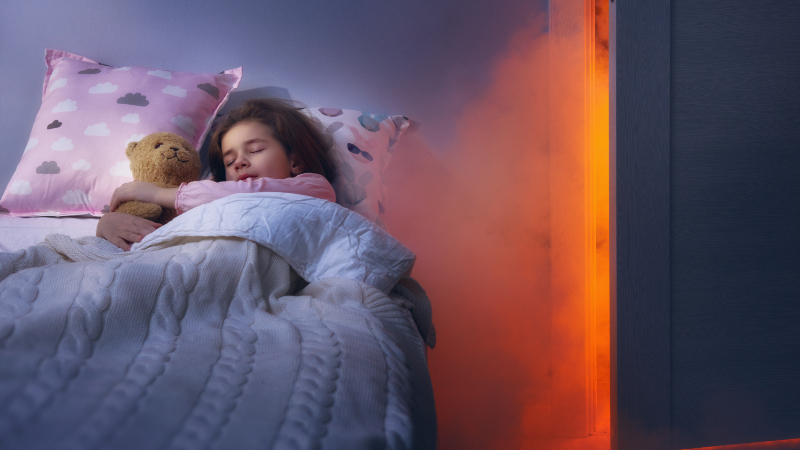
More people die in home fires from breathing in the toxic gases, rather than direct contact with the flames. The tragedy is that many of these deaths could be prevented by taking a few simple precautions.
Fire Hazards in the Home
Electrical Items
Did you know: Faulty appliances cause around 43 fires a week in homes across the country every year.
Electric heaters
- Ensure heaters are fixed to the wall where possible to prevent falling over.
- Keep heater away from any furniture or curtains and do not use to dry clothes.
Electric blankets
- Unplug electric blankets before going to bed unless a thermostat control is present purposely for all night use.
- Keep an eye out for wear and tear to ensure the wiring is not exposed or damaged.
- Store either folded loosely or flat to prevent any damage.
Electrical Plugs
- Powerful appliances like washing machines and dryers require a single plug as they are high powered.
- Do not use extension leads or appliances with frayed or faulty leads and dispose of them at your nearest recycling centre.
What is the most common cause for electrical fires?
Overloading outlets is the most common cause of electrical fires in the home. Plugging in too many appliances into an electrical outlet can cause overheating leading to a fire. Always check the amp limit on an extension lead and avoid exceeding it. You can use an online socket calculator to help.
Cigarettes
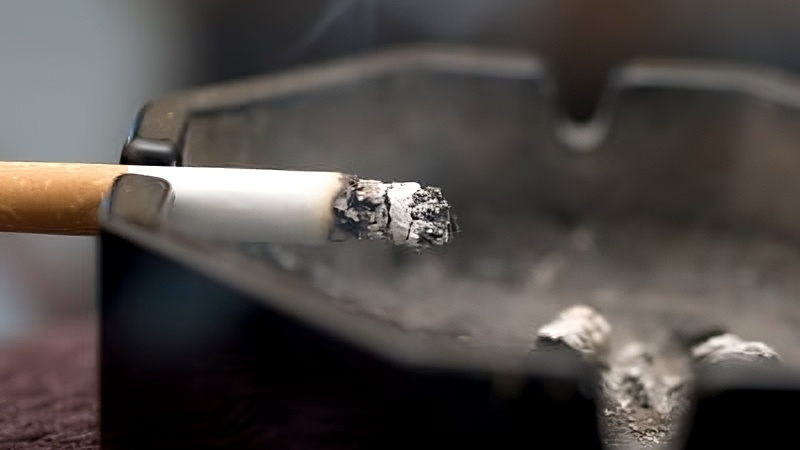
Did you know: Cigarette fires claim more lives than any other fire type.
- Avoid smoking in the house.
- Never smoke in bed or on soft furniture.
- Don’t ever leave your cigarette lit and put it out in an ashtray.
- Ensure ashtrays are located in appropriate areas where they cannot be knocked over.
- Ashtrays should be made from a material that will not burn.
- Unplug e-cigarettes when charged.
- Do not use cheap, unbranded chargers for e-cigarettes.
Candles
Did you know: Two fires a day are started by candles.
- Ensure candles are in a secure holder.
- Do not place candles near flammable materials i.e. curtains.
- Lighters and matches should be securely stored away, out of reach from children.
- Children and pets should not be left around candles unattended.
- Put candles out when leaving the room.

Kitchen Hazards
Did you know: Cooking appliances were responsible for 44% of accidental house fires between 2022 - 2023.
Deep Fat Fryers
- Use a thermostat-controlled fryer as they cannot overheat.
- Be cautious when using cooking oil as it is extremely flammable.
- To avoid splashes and spillages ensure food is dry before putting it in the hot oil.
- Avoid overfilling the oil.
- Clean the equipment regularly to prevent any fires.
- If the oil begins to smoke, remove it from the heat immediately, turn off and leave to cool.
Cooking
- Ensure clothes and tea towels are safely away from the hob.
- Do not leave children in the kitchen unattended when cooking.
- With pan fires, turn off the heat if able and never throw water over it.
- Saucepan handles must be safely positioned to prevent them from being knocked over.
Smoke Alarms
Did you know: Most of the time, house fires start by accident, and the earlier a fire is detected, the less risk there is to your life. Smoke alarms play a very important role in this.
Recommendations
- Purchase a smoke alarm for every floor of your home, and read the instructions on how to use it and where to position it.
- Smoke alarms should be placed near bedrooms, either on the ceiling or six to twelve inches below the ceiling on the wall. Do not place it within 6 inches of where the wall and ceiling meet on either surface.
- Locate smoke alarms away from air vents.
- Test your alarms regularly to ensure that they still work.
- Clean your smoke alarms regularly, we recommend using the hand-held appliance from your vacuum or the cold setting on a hair dryer.
- If you have a battery-powered alarm, change the battery every six months when you change your clocks.
- For maximum protection, fit interlinked alarms in your home which all sound at the same time when one detects a fire. This ensures everyone can hear the alarm anywhere in the home.
Fire Extinguishers
Should you have a fire extinguisher in your home?
Fire hazards are everywhere within the home and having a fire extinguisher or fire blanket to hand allows you to act fast when the fire first starts before it gets out of control. This could protect lives and property, or may give you more time to escape. Small fires may be able to be contained if a fire extinguisher is present and used safely. Never attempt to tackle a large fire yourself – if in doubt, leave the property as quickly as possible and call 999.
What fire extinguisher is recommended for home?
Water mist fire extinguishers are ideal for use at home as their versatility eliminates confusion. They will extinguish most causes of fires, including solids (like wood, plastic and fabric), liquids (like paint and solvents), gases, cooking oils, and electrical fires; leaving no messy residue to clean up. Fire blankets are designed to extinguisher small fires in and around the kitchen, particularly Class F involving cooking oils. A water mist and fire blanket combination provides a good level of protection for all common fire risks.
Have An Emergency Escape Plan in Place
- Make an Emergency Escape Plan, making sure everyone is aware of it and practice frequently. Use a free online template if you’re unsure on where to start.
- Close your downstairs doors at night before going to bed.
- Escape ladders are useful if you live in a two-storey home, they can easily be stored under a bed or in a closet.
- Remember the most obvious way out may be blocked by fire or smoke, and therefore all possibilities must be planned for.
What to do in the Event of a Fire
- Do not stop to get dressed or gather valuables. Seconds count - do not search for the family pet.
- Ensure that you have tools available if windows must be broken.
- Teach your family that in a fire they must stay low to the floor to avoid smoke.
- If you are exiting with young children, a parent should lead the way, as children will be more likely to follow.
- Establish a meeting place outside your home to be sure everyone has escaped. Every family member should participate in practice escape drills.
- Passageways may be completely filled with dense smoke, so everyone should practice exiting on their hands and knees while blindfolded.
- Train family members to feel any closed door on the exit route before opening. If the door is warm, open it slowly, and close it quickly if heat or smoke rushes in.
- Establish a rule that once you're out, you never re-enter under any circumstances. As soon as two people have reached the meeting place, one should call 999 from a neighbour's house.
Fire Doors in Houses
Fire doors are not a legal requirement in most homes in the UK, although there are some exceptions.
Here are where fire doors should be used in accordance with building regulations:
- New builds and home renovations with three or more floors must have fire doors for every room leading off the stairwell, including loft conversions adding a third floor to a two-storey house.
- Any door connecting your home to an integral garage must be a fire door, usually an FD30 which has a 30-minute fire rating.
Fire Doors in Flats
Multi-occupied Residential Buildings (eg Blocks of flats, HMOs)
The responsible person for the building must follow the Fire Safety (England) Regulations 2022 (applies to buildings over 11 metres in height):
- All fire doors in communal areas of the building should be checked at least every 3-months.
- Every flat entrance door within the building checked annually.
- Residents within any residential building with more than 2 dwellings should be provided with information about the importance of fire doors.
- A fire risk assessment should have been conducted on your block of flats, as the Regulatory Reform (Fire safety) Order 2005 applies to communal areas in existing HMOs, blocks of flats and maisonettes. This assessment will detail which doors are required to be fire doors and the required fire rating for each door.
New Blocks of Flats and HMO Conversions
They must follow the Building Regulations Approved Document B2.
- Within a HMO or block of flats, every flat should have a fire door fitted at the entrance to the communal area.
- Flats located 4.5m or higher above ground must have fire-rated doors installed for all habitable rooms and the front door.
- Ground floor flats don’t usually need internal fire doors if each room has an escape route, but a fire-rated front door is required if it opens to a communal area.
How Safe is your Home? Find out with our Home Fire Safety Check
The Home Fire Safety Check (HFSC) is a free tool which takes you through your home in just 15 minutes, identifying potential fire hazards and offering personalised fire safety advice. The free resource was created in collaboration with the Home Office and National Fire Chief's Council with input from UK Fire Rescue Services.
Our articles are reviewed regularly. However, any changes made to standards or legislation following the review date will not have been considered. Please note that we provide abridged, easy-to-understand guidance. To make detailed decisions about your fire safety provisions, you might require further advice or need to consult the full standards and legislation.
Doc: 367 | Last Updated at: 2026-03-05 15:37:41