Fire Safety Guidance for Landlords
As a landlord, ensuring the safety of your tenants and the legal compliance of your properties isn’t just good practice — it’s a legal obligation. At Safelincs, our comprehensive landlord fire safety help guides are designed to support you with clear, practical, and up-to-date information on your fire safety responsibilities.
Whether you manage a single residential property, a portfolio of flats, or mixed-use buildings, this category brings together expert guidance on fire risk assessment, required fire safety equipment, maintenance duties, statutory compliance, and fire safety planning. From understanding the Regulatory Reform (Fire Safety) Order 2005 to knowing which alarms, extinguishers, signage, and escape solutions you must install, our guides explain what you need to do, step by step.
Read more
These landlord fire safety help guides are written by fire safety professionals and tailored to the needs of UK landlords, letting agents, and property managers. They’re packed with practical checklists, compliance advice, and links to high-quality fire safety products, helping you keep tenants safe and avoid enforcement action or insurance issues.
What You’ll Find in Our Landlord Fire Safety Help Guides
- Fire risk assessments explained – what they are, how to complete them and when to review them
- Fire detection requirements – types of smoke and carbon monoxide alarms landlords must install
- Fire safety equipment recommendations – fire extinguishers, blankets, evacuation aids and accessories
- Emergency planning – escape routes, signage, and evacuation procedures
- Maintenance duties – servicing intervals for alarms, extinguishers, emergency lighting and more
- Legal responsibilities – landlord fire safety regulations, enforcement and compliance obligations

Landlord Fire Safety Guide
Fire safety responsibilities for different types of rented home and what you need to do to protect tenants and property.
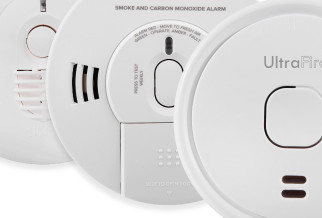
Smoke and Carbon Monoxide Alarm Regulations 2015
A guide to the smoke and carbon monoxide alarm regulations introduced in October 2015 which are intended to standardise and clarify the responsibilities of landlords.

The Importance of Early Warnings
Understanding different types of fires and the result of different types of fires can help landlords to choose the most appropriate form detection and alarms for their properties.
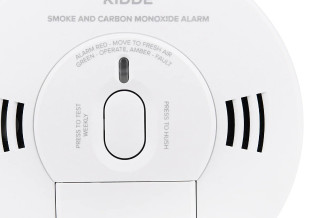
Could Multi-Sensor Smoke Alarms Save You Money?
Are you suffering from false fire alarms and the related costs? Multi-sensor fire detectors reduce the risk of false alarms substantially while being very responsive to a wide range of real fires.

CO Alarms for Rented Accommodation in Scotland
A guide to the legislation introduced in 2015 regarding the provision of long-life carbon monoxide (CO) detectors in privately rented housing in Scotland.
Smoke & CO Alarm Regulations for Rental Properties
Landlords' guide to the regulations for smoke and co alarms in rental properties in England, Wales, Scotland, and Northern Ireland.
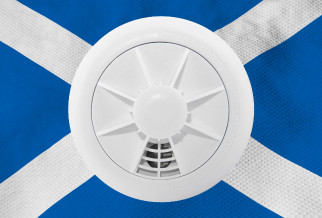
Scottish Smoke and CO Alarm Regulations
An overview of the latest smoke and carbon monoxide alarm regulations for all Scottish homes.
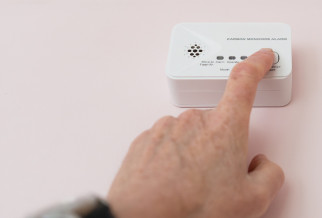
How to deal with CO Detectors and False Alarms
How would you react if it seemed that your Carbon Monoxide alarm kept false alarming?
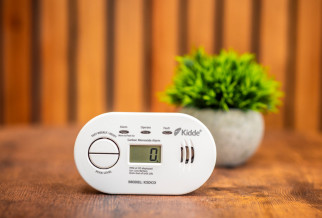
Are Carbon Monoxide Detectors Required by Law?
In short: yes. However, requirements for carbon monoxide alarms vary in each country of the UK and by rented versus owner-occupied premises.