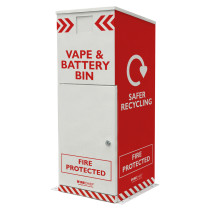
Lithium-ion batteries power everything from smartphones to electric vehicles. But when they fail, they create fires that standard extinguishers simply can't handle. These aren't ordinary blazes - they burn hotter, reignite unexpectedly and release toxic gases that make them dangerous for people and property. Specialist lithium fire extinguishers use advanced suppression agents specifically designed to reach the source of the fire.
Read More
The dangers of lithium-ion fires
Lithium-ion battery fires behave differently from typical fires. They undergo thermal runaway, a chain reaction where cells overheat and ignite neighbouring cells. Temperatures can reach 800°C, and the fire can reignite hours or even days later.
How do lithium fire extinguishers work?
The most effective lithium battery fire extinguishers contain aqueous vermiculite (AV) or other cooling agents that form a protective barrier around the battery. This barrier prevents oxygen from reaching the fire, stops thermal runaway, and significantly reduces the risk of reignition.
Where are lithium battery fire extinguishers essential?
Any environment with lithium-ion batteries needs proper fire protection. Electric vehicle charging stations, battery storage facilities, warehouses storing electronic goods, and offices with multiple devices all face potential risks of lithium-ion fires. Even homes with e-bikes, power tools, or solar battery systems benefit from having the proper extinguisher nearby.
What containment options are available?
Fire extinguishers aren't the only solution. Containment systems, such as fire blankets and suppression kits, help control lithium-ion fires before they spread. These systems work by starving the fire of oxygen and isolating the fire to prevent thermal runaway from affecting nearby batteries or equipment.
How do you choose the proper lithium-ion fire protection?
Consider the size and type of batteries you're protecting. Smaller, portable extinguishers are well-suited for consumer electronics and small battery packs. The EV Fire Blanket may be suited for electric vehicles and industrial battery installations. The key is not just suppressing flames but preventing incidents before they escalate. Lithium-ion battery fires are notoriously difficult to tackle once they start, so prevention is the safest strategy. Having the right containment and isolation equipment in place helps manage batteries at risk of thermal runaway and reduces the chance of a dangerous fire developing. For detailed information on how to deal with lithium-ion battery fires, see our comprehensive guide on how to extinguish a lithium-ion battery fire.
Your fire safety depends on having the right tools for the job. For a lithium battery fire extinguisher in the UK, as well as containment systems, browse the products on this page to find the protection that fits your needs. Don't wait until thermal runaway puts your people and property at risk - get the specialist fire safety equipment that can handle lithium-ion fires safely and effectively.
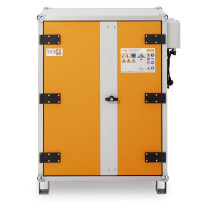
Ensuring lithium battery safety is vital due to the unique fire risks associated with lithium-ion batteries. These batteries, commonly used in electronic devices, can pose significant hazards if not properly managed. To protect against these risks, having the right equipment is crucial, and lithium-ion battery fire extinguishers are specifically designed to address these challenges.
Our fire extinguishers are thoroughly tested to ensure they meet rigorous safety standards and perform reliably when needed. Investing in these tailored extinguishers enhances your ability to manage lithium battery fires safely and efficiently.
Lithium-Ion Battery Containment Boxes and Cabinets
Lithium-ion containment boxes and cabinets allows for safe storage and transportation of lithium-ion batteries, to protect against fire risks and explosions. Li-ion batteries are becoming increasingly common, therefore it’s essential to prevent potential fire hazards due to the risks of overheating, thermal runaway, and degradation that can lead to fires or explosions. When batteries show signs of failing – such as overheating, swelling, or leaking – containment solutions isolate the battery which ensures a fire or explosion risk is contained. For industries handling large quantities of lithium-ion batteries, these cabinets offer secure storage.
Lithium-ion battery fires require specialised approaches due to their unique challenges. To effectively tackle these fires, use lithium-ion battery fire extinguishers specifically designed for the task. Lithium-ion batteries can reach extremely high temperatures during a fire, often exceeding 1000°C, making them difficult to control and extinguish. Moreover, the risk of re-ignition remains even after the initial flames are extinguished, as battery cells can continue to smoulder and reignite hours or days later.
Lithium-ion battery fire extinguishers are equipped with specialised agents tailored to address the properties of lithium-ion fires. These extinguishers often feature water-based solutions with additives that enhance heat absorption and minimise the risk of re-ignition. The formulation of these agents helps cool the battery rapidly and efficiently, preventing it from reaching temperatures that could lead to further combustion.
To ensure reliability, battery fire extinguishers undergo rigorous testing to meet stringent safety standards. This thorough testing confirms their effectiveness in handling the extreme conditions associated with lithium-ion battery fires.
Lithium fire extinguishers are specialist suppressants engineered for battery chemistry, not conventional combustion. They use cooling agents capable of handling extreme temperatures to slow and interrupt the runaway chain reactions unique to lithium-ion fires. Standard extinguishers lack the formulation to do this effectively.
Do lithium-ion batteries explode?
Yes, they can explode! Lithium-ion batteries can explode due to a chain reaction called thermal runaway. This occurs when the battery rapidly increases in temperature, usually from overcharging, exposure to extreme temperatures or moisture, or damage to the cells. Once thermal runaway begins, it will cause an internal fire in the casing which causes a build-up of toxic gases. The pressure eventually causes an explosive reaction.
Generally, lithium-ion batteries are safe to use and charge regularly, as long as they are not damaged, overcharged, or defective.
How do lithium-ion batteries work?
Lithium-ion batteries work by moving lithium-ions between the negative side (Anode) and positive side (Cathode), which creates an electrical current. When charging, lithium-ions move from the cathode to the anode and whilst discharging it is opposite. When the lithium-ions move during a discharge, an electrical current is created and this is what powers the device.
How do you stop a lithium-ion fire?
Stopping a lithium-ion fire is almost impossible due to the ferocity and unpredictable nature of these types of fires. Instead of stopping a fire, it is recommended that preventative measures are taken to ensure that a fire doesn't start. Fireproof charging and storage cabinets are an ideal solution for ensuring that all lithium-ion batteries can be charged and stored safely, even if a fire broke out. These cabinets are designed to contain the fire inside, preventing it from spreading externally.
General advice from the Fire & Rescue Service is to evacuate and get to a place of safety in the event of a lithium-ion fire. Once at a place of safety, call the emergency services and do not attempt to tackle the fire.
What is the difference between a lithium battery and a lithium-ion battery?
Lithium-ion batteries are rechargeable whereas lithium batteries are not. Lithium batteries are more commonly found in products that require long-term, low-power use such as smoke detectors. Lithium-ion batteries are commonly found in items that require recharging frequently such as mobile phones and laptops. Lithium batteries are made up of pure lithium metal, whereas lithium-ion batteries are made up of active materials, such as lithium cobalt oxide (LiCoO2), and do not contain pure lithium metal.
How do you put out a lithium-ion battery fire?
Lithium-ion battery fires require specialised approaches due to their unique challenges. To effectively tackle these fires, use lithium-ion battery fire extinguishers specifically designed for the task. Lithium-ion batteries can reach extremely high temperatures during a fire, often exceeding 1000°C, making them difficult to control and extinguish. Moreover, the risk of re-ignition remains even after the initial flames are extinguished, as battery cells can continue to smoulder and reignite hours or days later.
Lithium-ion battery fire extinguishers are equipped with specialised agents tailored to address the properties of lithium-ion fires. These extinguishers often feature water-based solutions with additives that enhance heat absorption and minimise the risk of re-ignition. The formulation of these agents helps cool the battery rapidly and efficiently, preventing it from reaching temperatures that could lead to further combustion.
To ensure reliability, battery fire extinguishers undergo rigorous testing to meet stringent safety standards. This thorough testing confirms their effectiveness in handling the extreme conditions associated with lithium-ion battery fires.
Can I use a standard fire extinguisher to put out a lithium-ion battery fire?
Standard fire extinguishers aren't designed for lithium-ion battery fires. These fires burn at extremely high temperatures and can reignite even after being extinguished. Traditional water, foam, or powder extinguishers may temporarily suppress flames, but they won't prevent thermal runaway or stop dangerous reignition. You need specialist lithium-ion fire extinguishers with cooling agents formulated explicitly for battery fires.
What makes lithium-ion battery fires different from ordinary fires?
Lithium-ion battery fires undergo thermal runaway, where overheating cells trigger a chain reaction that spreads to neighbouring cells. They reach temperatures over 1000°C, release toxic gases and are also prone to explosions. Unlike standard fires, they can reignite hours or days later because the internal battery components continue to smoulder. This makes them particularly dangerous and requires specialist suppression methods.
Do lithium-ion fire extinguishers work on other types of fires?
Many lithium-ion fire extinguishers also carry Class A ratings for ordinary combustible materials, such as wood, paper, and fabric. Always check the extinguisher's rating labels to confirm the types of fires it's approved for.
Where should I install lithium-ion fire extinguishers?
Install them in areas where lithium-ion batteries are stored, charged, or used regularly. This includes electric vehicle charging points, battery storage areas, warehouses with electronic goods, offices with multiple devices, and workshops with power tools.
How do I know if my lithium-ion battery is about to catch fire?
Early warning signs include unusual heat, swelling of the battery casing, or leaking fluids. You might also notice a strange chemical smell or see the battery changing colour. If you spot any of these signs - only if safe to do so - move the battery to a safe area away from flammable materials and have your specialist lithium-ion fire extinguisher ready. Don't attempt to charge or use a damaged battery.
We use cookies to provide you with the best possible shopping experience. Allowing all cookies means we can
personalise your shopping journey, making it more relevant to you and allows you to make best use of all
aspects of the website.
Your privacy is important to us, and you can choose to
manage
cookies that
are used while you browse. Choosing only essential cookies means some functionality may not be available.