How do Heat Alarms Work
A heat alarm is designed to detect heat instead of smoke, the alarm contains a thermistor which is set to respond to temperatures above 58°C.
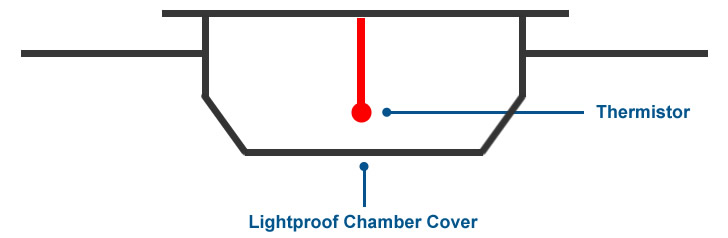
Step 1 - Heat Enters the Sensor Chamber
When a fire breaks out hot air from the fire will rise and enter the sensor chamber.
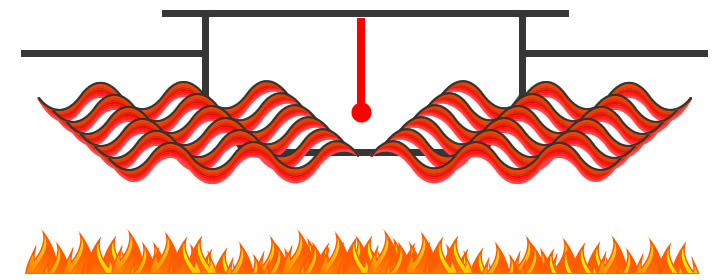
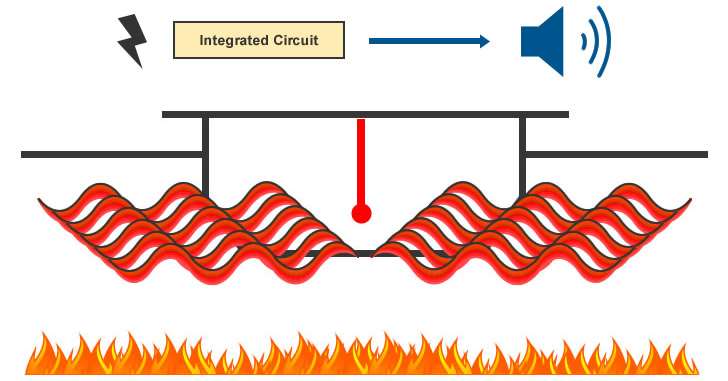
Step 2 - The Alarm Sounds
When temperature inside the chamber reaches 58°C a signal is sent to the integrated circuit which causes the alarm to sound alerting the occupants to the fire.
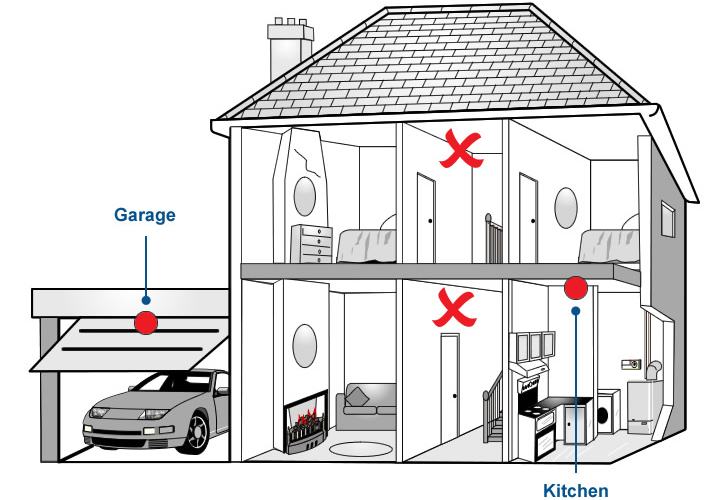
Where Heat Alarms can be Situated
Heat alarms can be situated in the kitchen and the garage, because heat alarms don't react to smoke they are not prone to false alarms from cooking and exhaust fumes.
How Other Types of Smoke & Heat Alarms Work
View our other guides to find out how different types of smoke and heat alarms work.
Our articles are reviewed regularly. However, any changes made to standards or legislation following the review date will not have been considered. Please note that we provide abridged, easy-to-understand guidance. To make detailed decisions about your fire safety provisions, you might require further advice or need to consult the full standards and legislation.
Doc: 311 | Last Updated at: 2025-09-10 08:35:59