Fire Door Maintenance Guide
Fire doors will only prevent fire and smoke from spreading through a building if they are in good working order. According to a study by the Fire Protection Association, 76% of the 100,000 fire doors they inspected in 2019 failed to meet current standards. Article 17 of the Regulatory Reform (Fire Safety) Order 2005 states that it is a legal requirement to ensure that fire doors are adequately maintained so that they perform as intended if a fire breaks out.
How often should fire doors be checked?
The BWF Fire Door Alliance recommends checking fire doors at least once every 6 months. This should be done by the Responsible Person for the building or organisation. . Any fire door that is used more frequently in high traffic areas will require more regular checks.
How do you check a fire door?
Follow this 6-step check for each fire door in the building:
Identify the Door as a Fire Rated Door
Look for a certification label or a coloured plug that is usually located on the top edge of the fire door. You could use the selfie setting on your phone camera to find the label. An uncertified door may not offer any protection. If you are not able to find this certification and are unsure whether the door is a fire door, read our guide How to identity a fire door
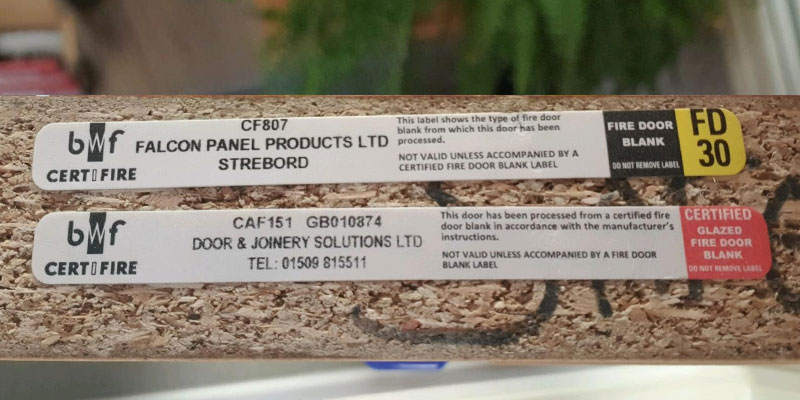
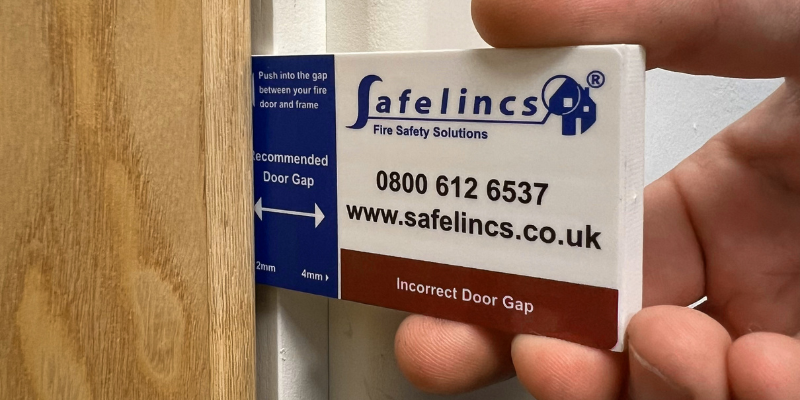
Check Gaps and Seals
Use a Gap Gauge to check if the gap between the door and the frame is between 2mm and 4mm all the way around. If it is larger than 4mm, smoke and fire could spread through the gaps. Intumescent seals should be fitted around the door or frame and must be in good condition. Seals trap the smoke and stop fire travelling through the gaps.
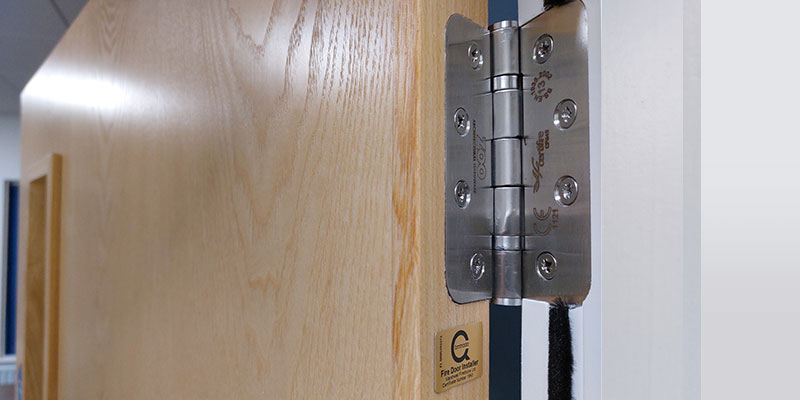
Check the Hinges
Fire doors should be fitted with at least 3 hinges. The hinges should have their screws intact, should be CE marked and fire rated to the same standards as the door leaf. Look out for a Certifire logo on the hinge to show that it is fire rated. A poorly fitted fire door or unfit hinge may not stop the spread of smoke or fire.
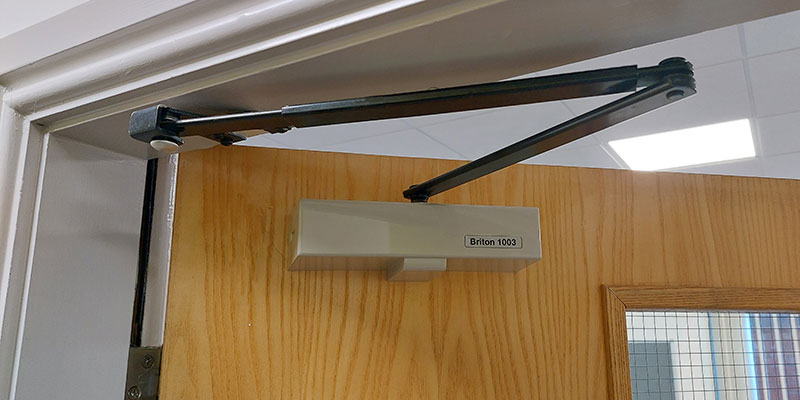
Check the Door Closer
Fire doors should always have a working door closer. Check that the closer is not damaged and that it shuts and latches the door from any position. It is essential that a fire door latches shut when closing. This ensures that the Intumescent seals can function correctly to prevent the spread of fire.
Check the Fire Door is Clearly Marked
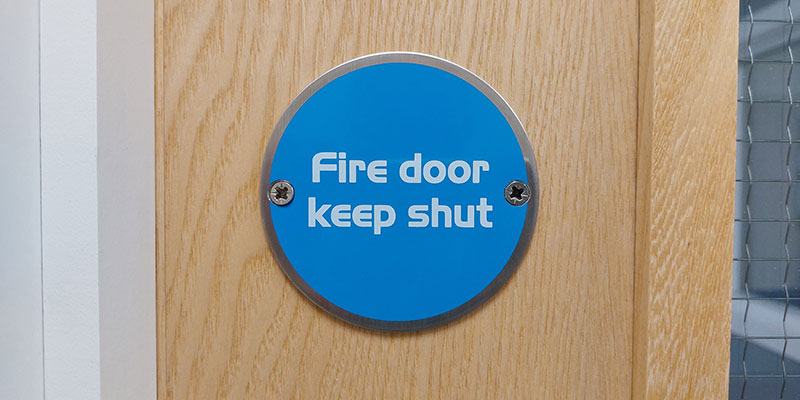
All fire doors should have clear signage fitter, the type of sign will depend any fire door holders or free-swing fire door closers being fitted to your door. If a fire door holder or free-swing fire door closer is fitted a Keep fire door open safely sign should be fitted. On a standard door 'Fire Door, Keep Shut' sign or similar should be fixed. On fire doors that are approached from two sides it is important that a sign is fitted to both sides of the door.
Check Fire Door Retainer or free-swing fire door closer
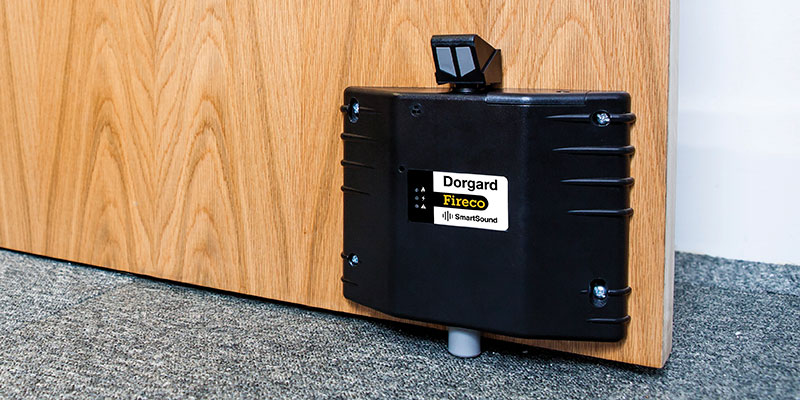
If a fire door retainer or free-swing fire door closer has been installed on the door, test that it allows the door to close when the fire alarm sounds. It is advisable to fit a 'Keep fire doors open safely' sign to any doors with a retainer to avoid confusion.
If you find any issues with your fire doors, our BRE certified inspectors and engineers offer a nationwide survey, measuring or installation service. Contact firedoors@safelincs.co.uk or call 01507 464185 for more information.
Our articles are reviewed regularly. However, any changes made to standards or legislation following the review date will not have been considered. Please note that we provide abridged, easy-to-understand guidance. To make detailed decisions about your fire safety provisions, you might require further advice or need to consult the full standards and legislation.
Doc: 322 | Last Updated at: 2026-02-26 19:59:25