Fire Alarm Systems
Fire alarm systems protect lives and property by detecting fires early and alerting occupants to evacuate safely. Modern fire alarm systems provide reliable detection across residential, commercial and industrial buildings. The right fire alarm system depends on your building size, layout and specific fire safety requirements. Safelincs supplies three main types of fire alarm systems to meet different needs and budgets. Each system offers distinct benefits for fire detection and emergency response.
Read More
Professional fire alarm system installation ensures compliance with British Standards and building regulations. Safelincs design, install and commission fire alarm systems across mainland UK. Commercial fire alarm systems require careful planning to meet fire safety legislation and insurance requirements. We work with architects, contractors and building managers to specify appropriate fire detection for each premises type.
Fire Alarm Servicing and Maintenance
Regular fire alarm servicing maintains system reliability and meets legal requirements. Our certified engineers provide nationwide fire alarm maintenance with full test certification. Annual servicing includes detector testing, battery replacement, panel checks and documentation updates.
Fire alarm systems require weekly testing by building occupants and professional maintenance every six months or annually depending on system type. We provide maintenance contracts to ensure ongoing compliance and peace of mind.
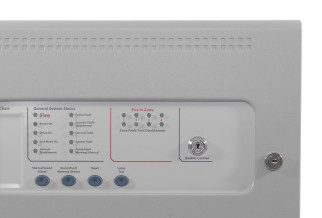
Conventional Fire Alarm Systems
Two and four wire conventional fire alarm panels to suit commercial and domestic applications.
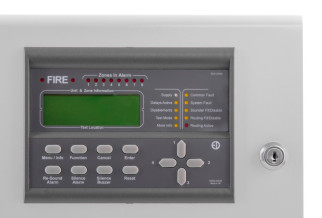
Addressable Fire Alarm Systems
Intelligent addressable fire alarm panels and a wide range of detection devices and accessories from industry leading manufacturers.
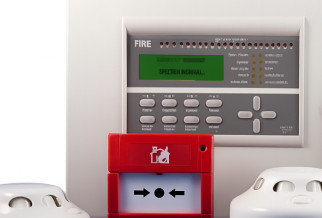
Wireless Fire Alarm Systems
Wireless Fire Alarm Systems provide the ultimate in speed and ease of installation.
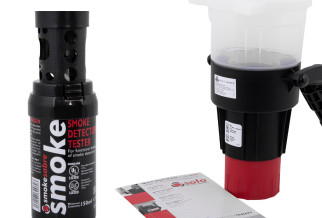
Fire Alarm Testing Equipment
Professional fire alarm testing equipment from leading brands such as Solo, Sabre and Testifire.

Fire Alarm Call Points
Wireless and hardwired fire alarm call points for conventional and addressable fire alarm systems.

Call Point Covers
Protect fire alarm equipment with these robust call point and fire alarm panel covers.
Conventional Fire Alarm Systems
Conventional fire alarm panels suit most commercial premises including offices, shops, schools and apartment blocks. These systems divide buildings into zones, with each zone covering a specific area or floor. When a detector activates, the fire alarm panel shows which zone triggered the alarm.
A conventional fire alarm system consists of a central control panel connected to detection circuits. Each circuit monitors smoke detectors, heat detectors, manual call points and alarm sounders within that zone. Fire brigade crews can quickly identify the general area of the fire from the zone display.
Two wire and four wire conventional systems provide cost effective fire protection for medium sized buildings. The control panel continuously monitors all connected devices and raises the alarm when fire is detected.
Addressable Fire Alarm Systems
Addressable fire alarm panels offer precise fire location identification beyond basic zone information. Each detector and device has a unique address, allowing the control panel to pinpoint exactly which device activated. Instead of showing ‘Zone 2’, an addressable system displays specific locations like ‘Reception Desk Smoke Detector’ or ‘Kitchen Heat Detector’.
This intelligent addressing capability helps emergency services locate fires faster and respond more effectively. Addressable fire alarm systems also provide enhanced fault finding, showing exactly which device needs attention during maintenance.
Modern addressable panels support hundreds of individual devices across large commercial buildings, hospitals, schools and industrial facilities. The systems integrate smoke detectors, heat detectors, beam detectors, manual call points, sounders and visual beacons.
Wireless Fire Alarm Systems
Wireless fire alarm systems combine the intelligent addressing of conventional addressable systems with radio communication between devices. This eliminates most cabling requirements, reducing installation time and building disruption significantly.
Wireless fire detection proves ideal for historic buildings, listed properties and occupied premises where cable installation creates practical difficulties. The radio signal range allows flexible detector placement without running cables through walls, ceilings or floors.
Each wireless device communicates directly with the fire alarm panel using secure radio protocols. Battery powered detectors provide years of operation with minimal maintenance. Site surveys ensure adequate radio coverage before wireless fire alarm system installation begins.